
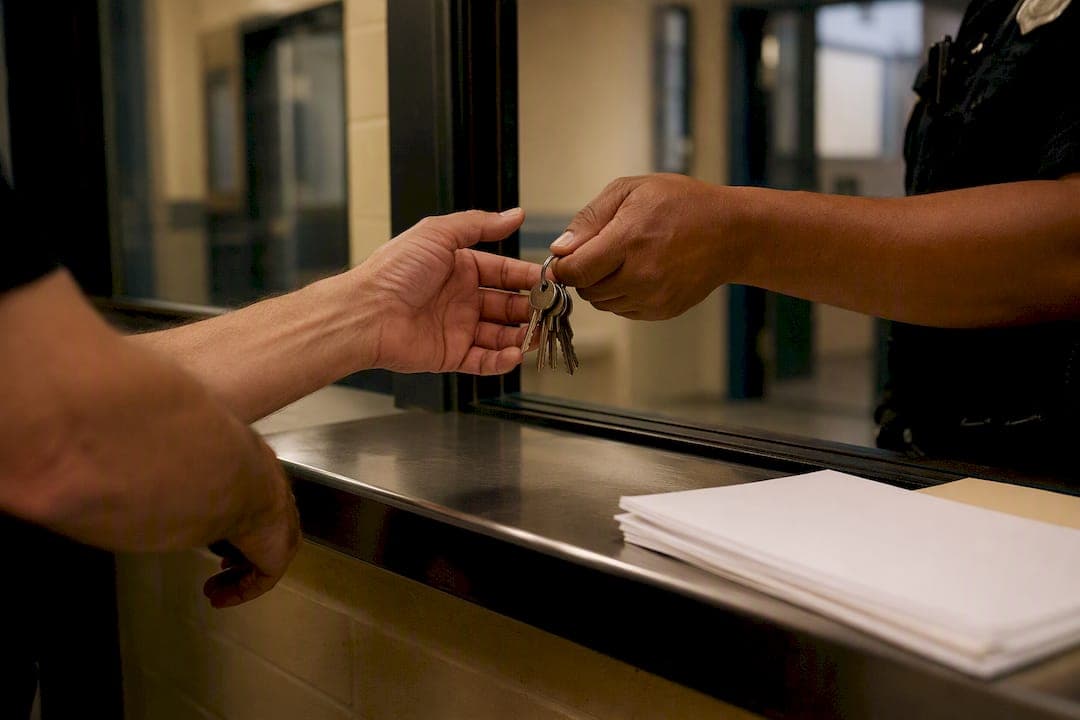
There's no fixed hour when jail doors open. Most county facilities process releases throughout the day until late evening, but the exact timing depends on paperwork, staffing, and which type of release is involved. If you're waiting on someone right now, your best move is to check the specific facility's release policy online or register for an automated notification system like VINE instead of guessing.
TL;DR:
- Release times vary widely based on paperwork, staffing, and procedure, with county jails processing releases throughout the day and night.
- Faster releases typically occur after bail is posted, often within one to two hours, especially with the help of a licensed bail agent handling paperwork quickly.
- Court-ordered releases can take up to four hours or longer if documentation is delayed, with some counties allowing up to 48 hours for processing.
- Using automated notifications like VINE and having the booking number ready significantly reduces uncertainty about release timing.
- External factors such as court backlogs, staff shortages, or facility lockdowns can cause delays of hours or days, regardless of the release type.
Table of Contents
- Why release times vary between facilities
- Typical release windows by release type
- How to check an inmate's release status
- What happens on the day of release
- How a bail agent can shorten the wait
- What to do while you're waiting
- Get Someone Out Faster With Midnight Bail Bonds
- Sources
- FAQ
Why release times vary between facilities
No two jails run on the same clock, and that's by design rather than accident. Release is the last step in a chain of administrative checks, not a single switch someone flips the moment bail clears or a sentence ends.
Before anyone walks out, staff typically need to verify a few things:
- Outstanding holds from other counties or agencies
- Court paperwork confirming the release order
- Medical clearance, especially after any in-custody treatment
- Return of personal property taken at booking
- Confirmation there's no pending charge attached to the same person
External pressures pile on top of that checklist. Court calendars back up, especially late in the day. Staffing shortages slow processing on nights and weekends. A facility-wide lockdown, even a brief one, can freeze every release in the building until it lifts. County jails and state prisons also run different systems entirely: a county facility might process someone within a couple of hours, while a state prison, as Virginia's Department of Corrections outlines, works off a formal release-by-day-end policy rather than a specific hour.
Typical release windows by release type
How someone is getting out shapes when they'll actually walk out the door. Here's what to expect based on the release type.
- Bail or bond release. This is usually the fastest path. Once bail is paid and the paperwork checks out, Clark County, Washington notes that release often happens within one to two hours, though final housing-unit checks can stretch that window.
- Court-ordered release. These take longer than people expect. Washington County, Minnesota points out that release can take up to four hours after court adjourns, since the order has to physically reach the jail and get logged before anyone moves. Some counties, including Allegheny County, Pennsylvania, allow up to 48 hours to process a court-ordered release, though bonded inmates there are typically released within three hours once documentation arrives.
- Sentence completion. Facilities often schedule these for early morning, once the overnight count and shift change are done.
- Parole or discharge. State systems tend to build in a hard deadline rather than a precise time. Virginia's rule, for instance, sets release by the end of the discharge date, weather permitting.
Multiple charges, unpaid fines, or an active hold from another jurisdiction can push any of these timelines back, sometimes by days rather than hours.
How to check an inmate's release status
Calling the front desk and asking "what time will they be out" rarely gets you a straight answer, and that's not staff being difficult. Most facilities won't disclose exact release times for security reasons, since publicizing a specific hour creates a safety risk for the person walking out.
What actually works:
- Use the facility's inmate search tool. Most county sheriff sites list current custody status, updated a few times a day.
- Register for VINE or a similar automated system. VINE-style notification services send custody and release updates by phone, text, or email, without requiring a staff member to give you information directly. You'll need the person's full legal name and date of birth, or their booking number, to register.
- Call, but time it right. If you do call, mid-morning or early afternoon tends to get better answers than right after a shift change. Have the booking number, full name, and date of birth ready before you dial.
- Wait for the inmate to call. Many jails simply have the released person call family once they've been processed out.
What happens on the day of release
Release day follows a fairly predictable sequence, even though the timing shifts. Paperwork gets finalized first, sometimes including a last medical check, then property gets pulled from storage and returned. From there, most facilities route the person through a lobby or designated release area, where they'll typically get phone access before anyone else even knows they're out.
A few practical points worth knowing:
- Bring a valid photo ID if you're picking someone up. Some facilities require it before releasing property or confirming identity to visitors.
- Ask ahead of time whether the facility uses a specific release center. Miami-Dade County, for example, processes releases at a designated center between 6 a.m. and 9 p.m., which isn't the same as the jail's main entrance.
- Have a transportation plan ready. Rideshare pickup near a jail can be tricky late at night, so a family member or a prearranged ride is usually more reliable.
- If the estimated time slips, don't assume something's wrong. Headcounts, paperwork backlogs, and last-minute holds cause delays that have nothing to do with the person being released.
Pro Tip: Keep a printed or saved copy of the booking number on your phone. Staff move faster when you can give them that number instead of spelling out a full name over a bad phone connection.
How a bail agent can shorten the wait
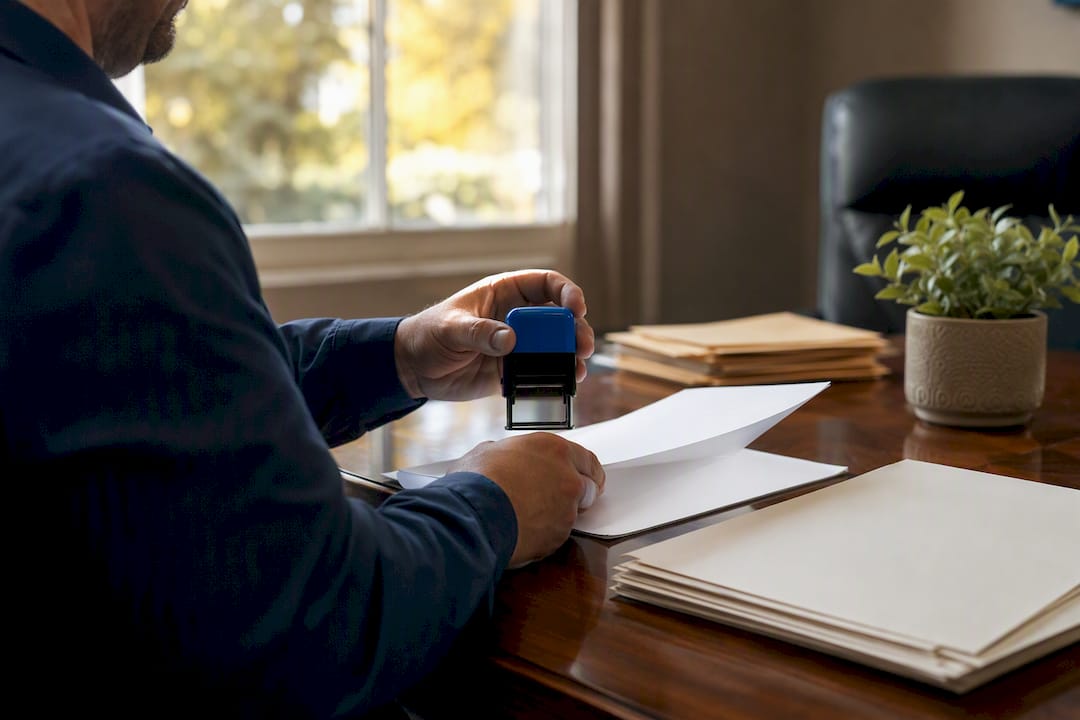
Once a bond is posted correctly, processing tends to move faster, because the paperwork bottleneck that slows down other release types is largely resolved before staff even start the discharge process. Corrections administrators describe release as a multi-step verification process rather than a single gate opening, which is why a bonded release still isn't instant, but it's consistently quicker than waiting on a court order or a housing transfer.
A licensed bail agent typically handles:
- Verifying booking information and confirming the exact bail amount with the jail
- Arranging payment, including flexible plans when a family can't cover the full premium upfront
- Preparing and signing the bond paperwork correctly the first time, which avoids rejected submissions
- Coordinating directly with jail records staff, including after hours when families often can't get anyone on the phone
A bondsman makes the most sense when bail has been set and the family wants to avoid an open-ended wait. If the person is waiting on a court date or a parole decision instead, a bond isn't the right tool. It's for cases with a set bail number where time and reliable communication matter.
What to do while you're waiting

Register for an automated notification service the moment you know someone's in custody, and keep their booking number saved somewhere you can find it fast. That single step removes most of the guessing.
Line up transportation before you need it, not after. Bring a valid ID and a little cash, and confirm which door or release center the facility actually uses, since it's often not the main entrance. Tell the person being released where you'll be waiting, and keep your phone on, since most releases include a quick call from the lobby before anyone walks outside. A little preparation on your end turns a stressful wait into a short one.
— Jake
Get Someone Out Faster With Midnight Bail Bonds
When bail has already been set, the fastest way to shrink the wait is to remove the paperwork bottleneck entirely, and that's exactly where Midnight Bail Bonds comes in. Licensed agents are available 24/7 across California, so a bond can get posted at 2 a.m. just as easily as 2 p.m., without waiting for regular business hours.
Midnight Bail Bonds handles the parts that usually slow families down: confirming booking details with jail records, preparing the bond paperwork correctly the first time, and coordinating directly with staff so nothing sits in a queue longer than it has to. Flexible payment plans, bail options that don't always require collateral, and bilingual English and Spanish support mean cost or language rarely stand in the way of getting someone out. If bail's been set and time matters, call now, have the booking number and full name ready, and an agent can start the paperwork immediately. Visit Midnight Bail Bonds to get started or find local bail bond help in Orange County if that's where your case is.
Sources
- Release Process - Allegheny County, PA
- MN VINE — Victim notification and inmate custody information
- Inmate release information — Clark County, WA
- Inmate release information — Miami-Dade County
- Facility release of inmates — Virginia Department of Corrections
FAQ
How do I find out what time an inmate is released?
Check the facility's inmate search page for current custody status, and register for an automated notification service like VINE so you get an alert instead of having to call and ask.
What time does someone get released from jail?
There's no single answer. Most county jails process releases throughout the day until evening, while state facilities like Virginia's may allow releases up to the end of the scheduled day.
Do they release you from jail at night?
Yes, many facilities process releases at any hour once paperwork clears, though some counties limit official release-center hours, and after-hours releases can take longer if staffing is lighter.
How long does it take to get released after posting bail?
Often a couple of hours once bail is paid and checks are complete, though a licensed bail agent can speed this up by handling the paperwork and jail coordination directly.
Why is my family member's release taking longer than expected?
Delays usually come from incomplete paperwork, an unresolved hold, a facility lockdown, or a backed-up court calendar, none of which mean anything went wrong with the case itself.