
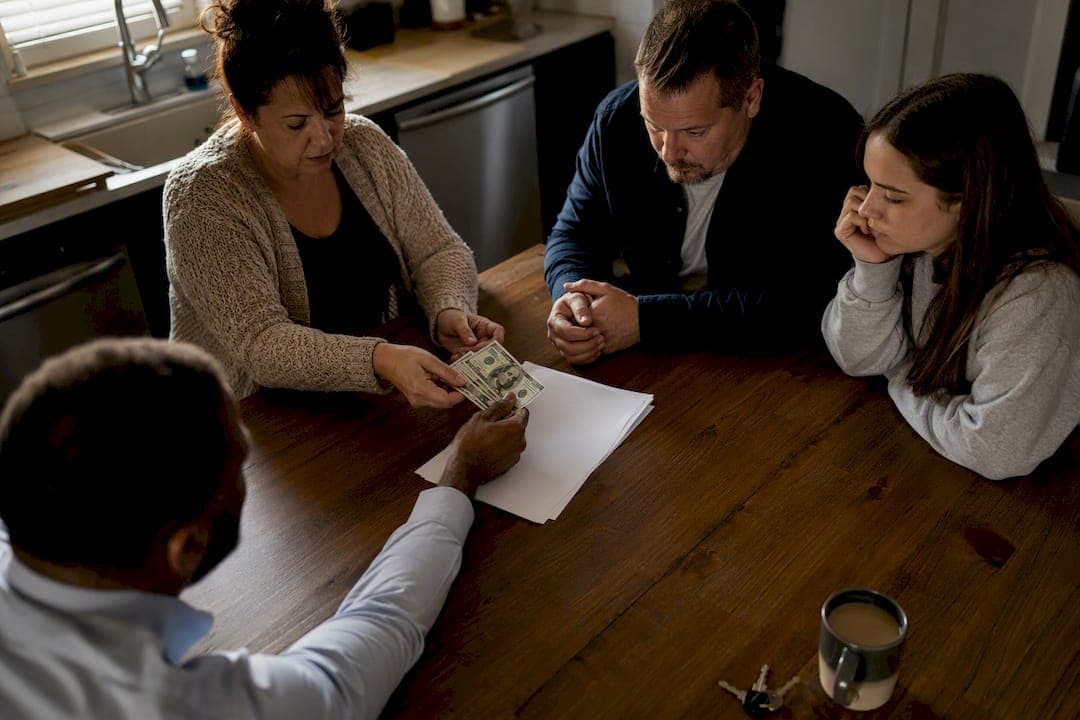
In almost every case, the bail bond premium is not returned. That's the answer families need before they sign anything.
A few narrow exceptions exist, and they matter if your situation fits one:
- Surrender before the bond is used. If the defendant is turned in or the bond never actually secures release, the agent hasn't taken on any risk, so a refund can be required.
- Court-ordered refunds. Some jurisdictions have statutory language or pending legislation allowing partial refunds in specific exoneration scenarios, usually minus administrative costs.
- Collateral returns. This is different from the premium. Collateral pledged to secure the bond (property, cash, a vehicle title) comes back once the bond is exonerated, though the timeline and paperwork vary by county.
State rules and court practices differ enough that even people who posted cash bail directly with the court, which is generally refundable after the case resolves, should expect small administrative deductions along the way.
Key Takeaways
Bail bond premiums are earned fees that stay non-refundable in nearly all cases, with narrow exceptions tied to surrender before use or specific exoneration orders.
| Point | Details |
|---|---|
| Premium is earned, not held | The 10% fee is paid for the agent's risk and service, so it's non-refundable once the bond posts. |
| Cash bail works differently | Money paid directly to the court is generally refundable after case resolution; the premium is not. |
| Exoneration unlocks collateral | Pledged property or cash returns only after the court issues a formal discharge order, not automatically. |
| Financing adds separate rights | Undisclosed terms, illegal interest, or improper repossession on financed premiums can support a separate consumer claim. |
| Fast, flexible help reduces risk | Midnight Bail Bonds offers 24/7 licensed agents, payment plans, and no-collateral options that limit what you'd need to recover later. |
Table of Contents
- Do You Get Bail Money Back? Premium vs. Cash Bail
- When Might You Actually Get Money Back?
- Steps To Reclaim Bail Funds and Collateral
- Financed Premiums and Pledged Collateral Complications
- What Families Get Wrong About Bail Refunds
- Getting Help Right Now From Midnight Bail Bonds
- Sources
- FAQ
Do You Get Bail Money Back? Premium vs. Cash Bail
Here's where most families get confused, and it's an honest mix up because two different things get called "bail money."
Cash bail is money paid directly to the court. It sits with the court as a guarantee the defendant will show up, and it's typically returned when the case ends, assuming the person didn't skip a court date.
The bail bond premium is a completely different animal. When you can't or don't want to pay the full cash bail, you hire a bail bond agent (a surety) who posts the bond on your behalf and promises the court the full amount if the defendant disappears. For taking on that risk, the agent charges a premium, and that premium works less like a deposit and more like an insurance payment. Once the risk is assumed and the bond is posted, the fee is earned, whether the case gets dismissed in a week or drags on for two years.
A few practical points to keep straight:
- Premium rates commonly run around 10% of the total bail amount, with some states capping rates at different levels.
- Payment plans and financing don't change the refund rule. Whether you paid the whole premium upfront or you're still making installments, the fee itself remains non-refundable once earned.
- Dropped charges don't trigger a refund. Even if the district attorney dismisses the case the next morning, the California Department of Insurance is clear that the premium stays with the agent because the service, guaranteeing the court, was already delivered.
Think of it like a security deposit on a rental versus the fee you pay a broker to find you the apartment. The deposit comes back if you leave the place in good shape. The broker's fee doesn't, because the broker already did the work.
When Might You Actually Get Money Back?
The exceptions are narrower than most people hope, but they're real, and knowing the legal basis helps you push for what you're owed.
- Surrendered before the bond was used. If a bail agent never actually assumed liability, for example, the defendant turned themselves in before release happened, some states require the full premium returned. Florida's administrative code spells out that when no liability is incurred, the agent must give the premium back.
- Legislative refund mechanisms. California's proposed SB562 would require licensed bail agents to refund the premium, minus a 2% administrative reimbursement and any premium tax already paid, in certain narrow exoneration scenarios. It's not law everywhere yet, and it wouldn't apply broadly even where it passes, but it signals where refund policy is heading.
- Bond exoneration and collateral. Once a court exonerates a bond, meaning the defendant's obligations are satisfied and the case is resolved, the Penal Code exoneration provisions require notice to the district attorney before the court finalizes the discharge. That discharge order is what unlocks any collateral you pledged, property, a car title, cash held as security. The premium itself still isn't part of that return.
Two percent. That's the administrative reimbursement California's pending bill would let agents keep even in a successful refund scenario, on top of any premium tax already paid. It's a small number, but it tells you a "refund" rarely means getting back every dollar.
Steps To Reclaim Bail Funds and Collateral
If you think you qualify for a refund, or you're just trying to get pledged collateral back after the case closes, work through this in order.
- Get the exoneration or bond discharge order from the court clerk. Bring the case number and cause number. Without this document, neither the agent nor a regulator will act.
- Request written confirmation from the bail agent. Ask for a formal release of collateral or a refund statement. Keep every receipt and your original bond contract, you'll need them if there's a dispute later.
- Escalate if the agent stalls. Go back to the court clerk first to confirm the exoneration is final and any required notice to the district attorney has been sent. If the agent still won't cooperate, your state's insurance regulator or small claims court are the next stops, especially for financed-premium disputes.
- Expect delays, and plan for them. Statutory holds and administrative processing can add days or weeks. Document every call and email with a date and a name.
Pro Tip: Photograph or scan your bond contract and every receipt the day you sign. If a refund or collateral dispute comes up months later, having a clean paper trail from day one saves you weeks of back and forth.
If you're still working through the release itself, our guide on bailing someone out fast walks through what documents the jail and the agent will need upfront.

Financed Premiums and Pledged Collateral Complications
Paying a premium on a payment plan adds a layer families don't always see coming. When you finance a premium, you're entering a separate credit relationship with the bail agent or a third-party lender, and that relationship comes with its own disclosure rules.
Watch for these red flags:
- Undisclosed financing terms. If the true cost of credit, interest rate, and fee schedule weren't spelled out clearly before you signed, that's a problem worth raising.
- Illegal or excessive interest rates. Some states cap what a bail agent can charge for financing; exceeding that cap can be grounds for a consumer complaint.
- Improper repossession. If collateral (often a vehicle) was seized without following the legally required process, that's a separate violation from the bond issue itself.
According to Iowa Legal Aid, these kinds of consumer-law violations can sometimes let you recover money you thought was gone for good, even when the underlying premium itself is non-refundable. Recovering pledged collateral after exoneration follows a similar path to the refund process: get the discharge order, send a written demand to whoever is holding the property, and escalate to your state regulator if you're stonewalled.
What Families Get Wrong About Bail Refunds
Most families call a bail agent assuming the fee works like a security deposit. It doesn't, and the sooner you separate "premium" from "collateral" in your head, the less frustrating this process becomes. The single biggest misunderstanding I see is people confusing a dismissed case with an automatic refund. Charges getting dropped has nothing to do with whether the agent already earned their fee.
What actually helps families in the moment isn't chasing an unlikely refund, it's moving fast and documenting everything from the start. Licensed agents available around the clock mean you're not waiting until morning to get someone out. Flexible payment plans reduce the upfront hit. Bail options that don't require collateral in many cases remove one more thing to fight over later. Bilingual support matters more than people realize when a family is stressed and reading legal paperwork isn't easy in any language.
Be realistic too: if your case doesn't fit one of the narrow exceptions above, no amount of paperwork changes that the premium is earned and gone. What we can do is make sure your collateral, if any was pledged, comes back cleanly once the case resolves.
— Jake
Getting Help Right Now From Midnight Bail Bonds
If someone you love is sitting in custody tonight, the refund question can wait. Getting them out can't. Midnight Bail Bonds keeps licensed agents on call 24/7 across California, and in many cases we can arrange bail without requiring collateral at all, which sidesteps a lot of the recovery headaches described above before they ever start.
Flexible payment plans mean you're not scrambling to come up with the full premium in cash tonight, and bilingual support means the person handling your paperwork can actually explain it in the language you're most comfortable with. When you call, have the defendant's full name, date of birth, and the arresting agency or jail location ready. Our instant inmate search helps confirm booking details before you even pick up the phone, so the agent you speak with can move straight to posting bond instead of hunting for information.
If you're specifically in the Orange County area, our Huntington Beach bail bonds page has direct contact details for that jail's processing times. Otherwise, start at Midnightbail and get a licensed agent on the phone within minutes.
Sources
- Bail Bonds (California Department of Insurance)
- California legislative bill text (SB562)
- Consumers and Bail Bonds - Iowa Legal Aid
- Do You Get Bail Money Back if Charges Are Dropped in California? - LegalClarity
FAQ
Do You Get Bail Money Back If Charges Are Dropped?
No. The bail bond premium is earned once the agent posts the bond, so it stays non-refundable even if the charges are dropped immediately afterward.
What's the Difference Between a Bail Bond Refund and a Collateral Return?
A refund would return the premium itself, which almost never happens; a collateral return gives back property or cash you pledged to secure the bond, and that happens routinely once the bond is exonerated.
How Long Does It Take to Get Collateral Back After a Case Ends?
Timelines vary by court and county, but expect the process to start only after the court issues an exoneration or discharge order, plus any required notice period to the district attorney.
Can a Failure to Appear Affect My Refund or Collateral?
Yes. If the defendant misses a court date, the bond can be forfeited, which puts both the premium and any pledged collateral at risk, not just the premium.
What Should I Do if a Bail Agent Won't Return My Collateral?
Get the court's discharge order first, then send the agent a written demand; if they still refuse, contact your state's insurance regulator or file in small claims court.
Can Midnight Bail Bonds Help if I Financed My Premium?
Midnight Bail Bonds offers flexible payment plans designed to avoid the disclosure and rate issues that sometimes come with third-party bail financing.