
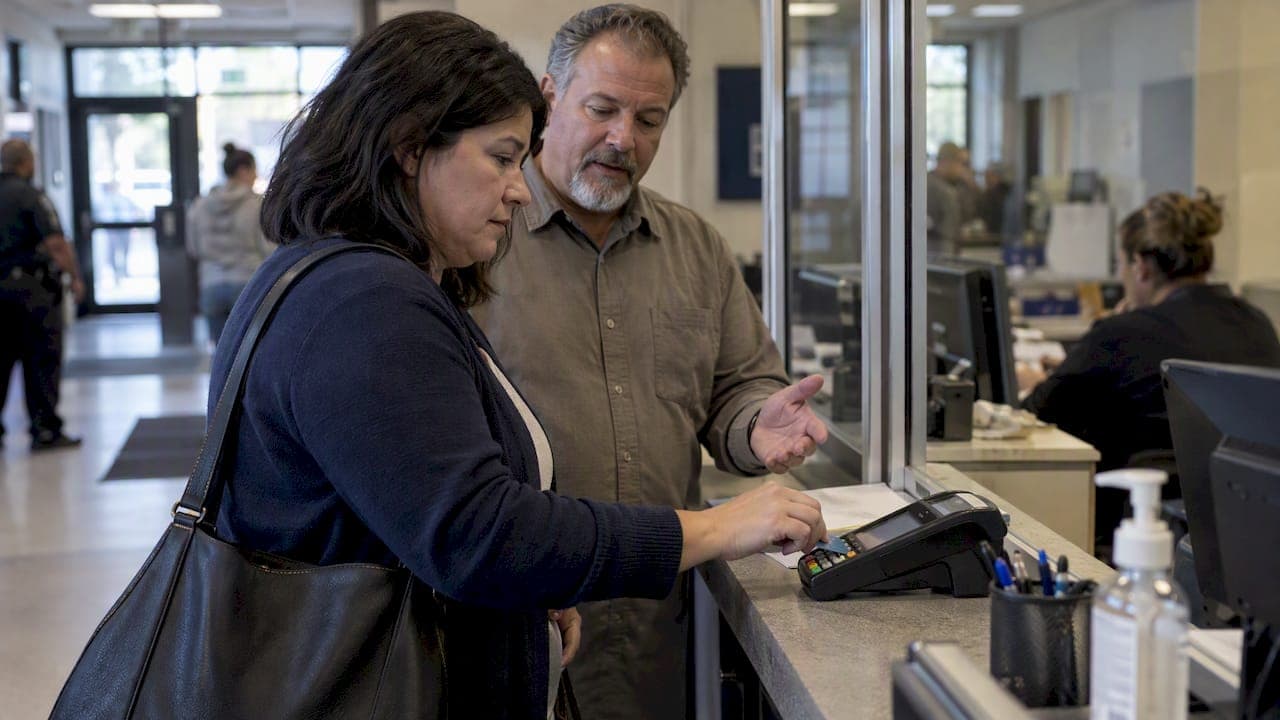
You may be eligible for bail before a Governor's warrant is issued. After that, release is usually restricted. Under the Uniform Criminal Extradition Act, the first move is to confirm the warrant's status and call an attorney or a licensed bail agent like Midnight Bail Bonds right away.
TL;DR:
- Bail is generally available before a Governor's warrant is issued but becomes very limited once it is, often requiring a court order and strict conditions.
- The type of warrant you face—fugitive, governor's, bench, or arrest—determines your bail prospects, with bail being more likely during fugitive warrants and rare after governor's warrants.
- Judges consider the severity of the charge, flight risk, criminal history, and community ties before setting bail, with exceptions for charges punishable by death or life imprisonment.
- Acting quickly by verifying warrants, contacting legal counsel, and working with a licensed bail agent can significantly shorten custody time and improve bail success chances.
- Waiving extradition can lead to faster release but removes leverage, and professional coordination between attorneys, bail agents, and jails increases the likelihood of prompt bail and release.
Table of Contents
- How extradition works and what it means for bail
- What kind of warrant are you actually facing?
- When will a judge actually set bail?
- The concrete steps to take after an out-of-state arrest
- Should you waive extradition or wait it out?
- How an attorney and a bail agent actually move things forward
- Why waiting for the knock on the door is the wrong move
- How Midnight Bail Bonds helps you move fast
- FAQ
- Sources
How extradition works and what it means for bail
Extradition sounds like a single event, but it is really two stages, and the stage you are in determines whether bail is even on the table. In the first stage, you are held on a fugitive warrant while the demanding state decides whether to formally request your return. In the second stage, once the governor of the state where the charge was filed signs a requisition, your home state's governor can issue a Governor's warrant, and custody rules tighten considerably.
Courts in the state where you were arrested have narrow authority during this process. Under Article IV, Section 2 of the U.S. Constitution, a state must deliver up a person charged with a crime when the demanding state's executive authority makes a proper request. The local court's job is limited to confirming your identity and the validity of the paperwork. It cannot rule on your guilt or innocence, weigh evidence, or dismiss the underlying charge.
- Before a Governor's warrant: bail is often available, subject to the same factors a judge would weigh in any case.
- After a Governor's warrant: most courts treat you as in custodial status for transport, with judicial discretion to release on bail narrowing sharply.
- Timelines vary widely: some cases resolve in days, others stretch into months depending on agency responsiveness, transport scheduling, and whether you waive extradition.
Delays commonly come from slow paperwork between states, holiday or staffing backlogs, or a demanding state that simply takes its time requesting formal extradition. Our guide on checking and clearing a warrant walks through how to find out exactly where your case stands.
What kind of warrant are you actually facing?
Not every warrant carries the same weight, and the label on your paperwork matters more than people expect.
- Fugitive warrant: issued when another state believes you are hiding from charges there; bail is often possible at this stage.
- Governor's warrant: issued once the demanding state formally requests extradition; bail becomes rare and judicial discretion shrinks.
- Bench warrant: issued when you miss a court date or violate a court order; local judges typically retain more flexibility on bail.
- Arrest warrant: the standard warrant tied to a new criminal charge; bail eligibility depends on the charge's severity and your record.
Your booking paperwork or the jail's inmate lookup system will usually specify which type you are holding. If the wording is unclear, your attorney or bail agent can pull the detail from the jail directly.
When will a judge actually set bail?
Judges weigh a handful of concrete factors before deciding whether to set bail on an out-of-state warrant: the seriousness of the underlying charge, your ties to the community, flight risk, criminal history, and whether you are currently on probation or parole. A clean record and strong local ties make bail far more likely than a history of missed court dates.
Statutory exceptions matter too. Under the UCEA framework, bail is typically unavailable when the underlying charge is punishable by death or life imprisonment, a rule that shows up in many state extradition statutes. Outside those cases, judges generally retain discretion before a Governor's warrant arrives.
- Charge severity and whether it falls under a death or life imprisonment exception.
- Flight risk, based on ties to the community and travel history.
- Criminal history, including any prior failures to appear.
- Active probation or parole status in either state.
When bail is granted pending extradition, courts often attach conditions beyond the bond itself: a surrender clause requiring you to appear when the demanding state is ready, travel restrictions, and sometimes additional sureties to guarantee compliance. These conditions exist because the court knows its authority ends the moment a Governor's warrant takes effect.
The concrete steps to take after an out-of-state arrest
Acting fast and acting in the right order changes how long you or a family member spends in custody.
- Verify the warrant: get the issuing state, the exact charge, the jail booking number, and whether a Governor's warrant has already been issued.
- Call a local criminal defense attorney in the state where the arrest happened, since they can request a bail hearing and speak to the court directly.
- If release is the priority, contact a licensed bail agent in the arrest state the same day, since local agents know the jail's procedures and timing.
- Weigh voluntary surrender, which lets your attorney and bondsman line up bond terms and a hearing date in advance rather than reacting after an unplanned arrest.
- If posting bail from out of state, confirm the bondsman is licensed in the arrest state, understand the forfeiture risk if you miss a hearing, and clarify any travel obligations tied to the bond.
- Ask what happens if the demanding state misses its statutory window to request extradition, since some cases are released when that deadline passes.
Pro Tip: Call the jail's records department before you call anyone else. Confirming the exact charge and warrant type first saves everyone time, including your attorney and your bail agent.
Posting bail from another state carries real risk: a missed court date can forfeit the full bond amount, and some bonds come with strict travel limits until the case resolves. Our step-by-step bail posting guide covers what to expect at the payment stage.
Should you waive extradition or wait it out?
Waiving extradition means you agree to return to the demanding state without forcing it through the formal Governor's warrant process. According to NCCriminalLaw, waiving extradition usually shortens custody time considerably compared with waiting for formal requisition and transport, which can take weeks or months.
- Waiving is not a legal admission of guilt. It is a tactical decision to return faster and fight the case where it was filed.
- The tradeoff is speed against leverage: waiting preserves a narrow window to raise identity or paperwork challenges, though it rarely stops extradition outright.
- Counsel often recommends waiving when the demanding state's case is solid, when you have ties there, or when the alternative is months in a county jail awaiting transport.
How an attorney and a bail agent actually move things forward
An attorney can request a bail hearing, challenge procedural defects, and open communication with prosecutors in the demanding state. A licensed bail agent, such as Midnight Bail Bonds, handles the practical side: posting the surety, setting up a payment plan, and coordinating directly with the jail to speed up release once bail is set.
- Attorneys handle legal strategy: bond hearings, waiver advice, and negotiation with the demanding state.
- Bail agents handle logistics: posting bond, payment plans, and jail coordination to reduce time in custody.
- Cross-state cases often require a bondsman licensed in the arrest state itself, since a bond from your home state usually will not transfer.
Pro Tip: Coordinating a voluntary surrender with your attorney and bondsman in advance tends to shorten custody compared with an unplanned arrest, since bond terms and hearing dates are already set.
For more on how surety obligations work once bond is posted, see our surrender and exoneration guide.

Why waiting for the knock on the door is the wrong move
Most people freeze when they learn about an out-of-state warrant, hoping it resolves itself. It rarely does. Acting before an arrest, confirming the warrant, calling counsel, and arranging bail in advance almost always costs less time and stress than reacting after the fact. A coordinated voluntary surrender beats a surprise arrest nearly every time.
— Jake
How Midnight Bail Bonds helps you move fast
Licensed agents are available around the clock who can arrange bail without collateral in many cases and set up payment plans that fit different situations, including bilingual support. We coordinate directly with local counsel and jails to move things along once bail is set.
- Licensed agents are available 24/7 to answer questions and start the process promptly.
- Flexible payment plans and no-collateral options are sometimes available to help reduce barriers to securing release.
- Coordination with jails and attorneys to help reduce time spent waiting.
We are upfront about limits: once a Governor's warrant is issued, state law restricts what any bail agent can do, and release may not be possible until the case moves forward in the demanding state. If you are still in the earlier stage, visit the Midnight Bail Bonds landing page or call now to see what options are available in your case. If you need a local attorney to assess the charge itself, resources like the Legal Assistance Center can help you find counsel in the right jurisdiction.
This article is general information, not a substitute for advice from a qualified lawyer. Consult a qualified legal professional about your own circumstances before acting on anything here.
FAQ
What happens if I get a warrant in another state?
You may be arrested anywhere in the United States on an out-of-state warrant, and you will typically be held while the demanding state decides whether to request formal extradition. Bail is often possible before a Governor's warrant is issued, but becomes far more limited afterward under the Uniform Criminal Extradition Act.
Can I bail someone out from a different state?
Yes, but the bail bond generally must be posted through an agent licensed in the state where the person is being held, not your home state. Working with a licensed local bondsman and, when possible, local counsel is the fastest path to release.
What warrants are not extraditable?
Extradition eligibility depends on the underlying charge and the statutes of both states involved, and definitions vary by jurisdiction. As a general rule, charges punishable by death or life imprisonment are treated differently for bail purposes rather than being exempt from extradition itself, according to UCEA-based guidance.
Will a state extradite for a felony?
States commonly pursue extradition for felony charges, since the constitutional requirement to deliver up a person charged with a crime applies broadly under Article IV, Section 2. Whether a specific state follows through depends on the severity of the charge, cost of transport, and that state's own policies, so checking with an attorney in the demanding state is the reliable way to confirm.
Can a licensed bail agent help with an out-of-state warrant?
A licensed bail agent in the arrest state can post surety, set up payment plans, and coordinate with the jail to speed up release once bail is set, which is a service Midnight Bail Bonds provides across California. Agents cannot override state restrictions that apply once a Governor's warrant is in effect.
Sources
- Extradition and rendition practice manual (NC SOG) — 'Extradition basics' / UCEA commentary
- Extradition basics: fugitive warrants and Governor's warrants (NCCriminalLaw/SOG post)
- Extradition (Interstate Rendition) Procedures | Constitution Annotated | Congress.gov