
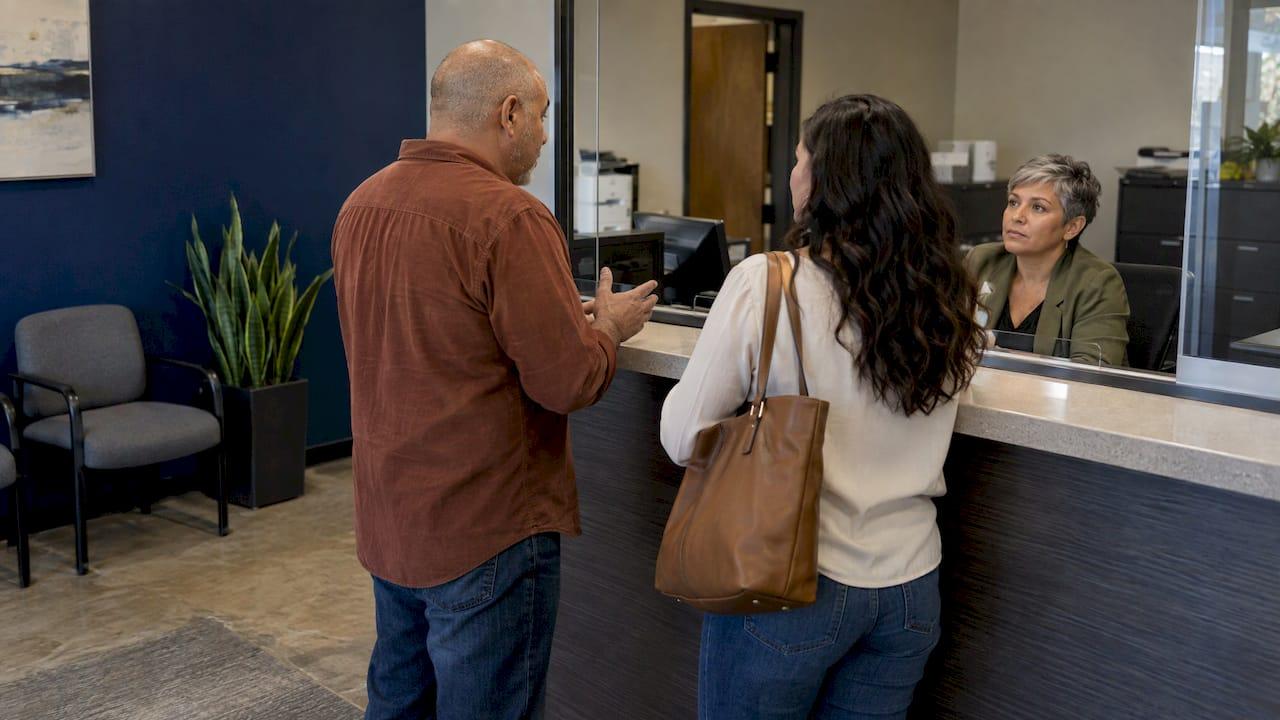
Bail financing means paying a bail bond premium in installments instead of all at once. To get approved you generally need three things: a co-signer who agrees to be responsible for the bond, identifying details about the person in jail, and a plan for the premium. In California the premium is typically 10% of the total bail amount. At Midnight Bail Bonds, licensed agents answer around the clock, offer payment plans and financing, and write many bonds without collateral, so the first call is the fastest way to find out exactly what your situation needs.
TL;DR
- A bail bond lets you pay a non-refundable premium, typically 10% of bail in California, instead of the full bail amount in cash.
- Financing spreads that premium over payments. A co-signer (also called an indemnitor) signs the agreement and becomes responsible for it.
- Expect to provide ID, the arrested person's booking details, and contact and employment information for the co-signer.
- Many Midnight bonds are written without collateral. Where collateral is used, it should be spelled out in the contract.
- Speed depends mostly on having the paperwork ready when you call. Our agents answer 24/7, in English and Spanish.
Table of Contents
- What bail financing actually is
- The requirements, one by one
- What bail financing costs: a worked example
- How long does approval take?
- Bail financing for DUI and other charges
- Spanish-speaking families
- Before you sign: what to check
- Our perspective
- Start the bond now
- FAQ
- Sources
What bail financing actually is
Bail is an amount of money a court sets so a person can be released from jail while their case goes forward. Most families cannot put up the full amount in cash, so they turn to a bail bond. As the New York Department of Financial Services explains, when a defendant or family cannot afford bail, friends or relatives can sign an indemnity agreement with a licensed bail agent. The agent then arranges the bond with the court.
The federal Consumer Financial Protection Bureau (CFPB) describes the usual transaction this way: the arrested person or a family member pays a non-refundable premium to a bail bond company, which posts a bond guaranteeing the full bail amount if the person misses court. The upfront cost is far lower than posting cash bail directly.
Financing is the next layer. The same CFPB report notes that some jurisdictions allow people to finance bond premiums and associated fees. In plain terms: you pay a down payment now, the person comes home, and the rest of the premium is paid on a schedule you agree to in writing.

The requirements, one by one
Requirements differ a little by case, jail and county, but they fall into the same handful of categories.
1. A co-signer
The co-signer is the person who signs the bond agreement and promises that the arrested person will appear in court and that the premium will be paid. The CFPB notes that a co-signer, often a family member or friend, signs the agreement and becomes liable for payments. That is why the choice matters.
The best co-signer is an adult who knows the defendant well, can be reached easily, and has steady income or a stable situation. Our guide to who qualifies as a co-signer and what to bring walks through it, and the page on what co-signers agree to when they sign is worth reading before you commit.
2. Details about the person in jail
The agent needs to find the booking and match it to the right bail amount. Have these ready:
- Full legal name and date of birth
- The jail or facility where they are held
- Booking number, if you have it
- The charges and the bail amount, if known
- Any upcoming court date
If you do not have the booking number or bail amount, our free instant inmate search can locate booking information. You do not need to hold off calling while you gather everything.
3. Your identification and contact information
The co-signer should expect to show a valid government ID and give a phone number, address, and employer or other income information. A few references (people who know the defendant and co-signer) are common in bond paperwork. For the details that speed things up, see our list of California bail bond documents and the five details that help release.
4. The premium and a payment plan
The premium is what you pay the bail company for posting the bond. The CFPB reports that the premium is typically 10% of the bail amount, and that unlike cash bail, no money comes back even when the defendant attends every hearing. Plan for it as a cost, not a deposit.
In California, the 10% premium is the standard for Midnight Bail Bonds. We accept cash, credit and debit cards, Zelle, and financing. Our page on how California law lets bondsmen charge a 10% premium explains the rule and the questions to ask.
5. Collateral, only where it applies
Collateral is something of value, such as cash, property or a vehicle, pledged to the bond company as additional security. The New York DFS says collateral should be reasonable, such as 10% of the bond amount, and may be kept by the agent if the defendant fails to return to court and the bond is forfeited. That is New York's standard, but it shows the principle: collateral is a security arrangement, and its return terms belong in writing.
Many families worry they need to put up a house or car. With Midnight, many bonds are written without collateral. If you want to see how that works, start with our no-collateral bail bonds page.
What bail financing costs: a worked example
Say bail is set at $50,000. At the typical 10% premium, the premium is $5,000. At $75,000 bail it is $7,500. A payment plan does not change the principle that the premium is non-refundable. It changes when you pay it.
| Total bail | Premium at 10% |
|---|---|
| $10,000 | $1,000 |
| $25,000 | $2,500 |
| $50,000 | $5,000 |
| $75,000 | $7,500 |
To run your own numbers before you call, use our California bail bond calculator. For a full explanation of what goes into the total, see bail bond cost in California.
Some situations have a lower down payment. We have dedicated pages for 1% bail bonds, 2% bail bonds and affordable bail bonds, and our DUI bail bond page lists 1% down as available.

How long does approval take?
There is no single number, and any promise of one should be treated with care. Approval has two parts: the paperwork with the bail agent, and the jail's own processing after the bond is posted. The first part is in your hands. The second depends on the facility, how busy it is, and whether there are holds on the person.
What you can control:
- Call as soon as you know the person is in custody. Our agents are licensed and answer day and night, so you do not wait for office hours.
- Have the co-signer's ID and the booking details ready.
- Start online if you cannot get to an office. Our online bail bond process lets you begin from your phone.
- Be reachable. Agents may need to confirm information with you, so keep your phone on.
Holds can also delay release even after a bond is posted. A common California example is a 1275 hold, tied to immigration-related status. Ask your agent about any hold on the arrest record so you know what to expect.
Bail financing for DUI and other charges
We write bonds for all major charge types: DUI, drug, domestic violence, theft, assault, failure to appear, felonies and misdemeanors. The requirements above stay the same across them. The bail amount, set by the court, is what changes the premium. If someone you love was arrested for DUI, call right away: a DUI bail bond follows the same steps, with a conversation about the bail amount and the plan for the premium.
Some cases, such as domestic violence arrests, may involve conditions or holds before release. Your agent can tell you what applies to the booking in front of you.
Spanish-speaking families
A bail agreement is a legal contract, and you should understand every line before you sign. Our support is bilingual in English and Spanish on every shift, so co-signers can go through the premium, payment dates and obligations in the language they are most comfortable in. Si usted o su familiar prefiere hablar en español, solo tiene que pedirlo al llamar.
Before you sign: what to check
Signing quickly is natural when someone is in jail, but a few checks protect you. A regulator's view of what families are entitled to is useful here. The New York City Department of Consumer and Worker Protection's bill of rights says consumers can learn the agent's name and license number in writing, take documents away before signing, and receive a contract stating when collateral will be returned. These are New York City rules, but they are sensible questions anywhere.
In California, confirm:
- The total premium and every payment date
- Whether collateral is required and, if so, when it is returned
- Exactly what you are responsible for as co-signer
- The agent's name and license number
Our pages on bail bond contract terms, the protections co-signers should expect and questions to ask a bondsman cover this in detail. We give clear costs upfront so there are no surprises at signing.
Our perspective
Families call us at the worst moment of their year. They are scared, and they usually think they need a pile of cash or a house deed. Most do not.
What they need is a licensed person who picks up, explains the premium plainly, and tells them what the co-signer is agreeing to. That is why our agents answer every call directly, at any hour, and why we write many bonds without collateral.
Our offices are real and local, and we work directly with jails and courts, which is how we keep time in custody as short as it can be. Pay the premium in a plan that fits your budget, understand the contract, and get your person home.
Jake
Start the bond now
If someone you love is in custody, Midnight Bail Bonds can walk you through the co-signer, the paperwork and a payment plan in one call. We serve all of California, around the clock, in English and Spanish. Start at Midnight Bail Bonds or take a look at our 24-hour bail bonds page.
FAQ
Do I need collateral to finance bail?
Not always. Many of our bonds are written without collateral. When collateral is part of a bond, the contract should state what it is and when it is returned. The no-collateral bail bonds page explains more.
Can the person in jail apply for bail financing themselves?
The arrested person usually cannot sign while in custody, so a co-signer, often a family member or friend, takes on the agreement. Our guide to co-signer eligibility covers who can qualify.
Is the bail premium refundable?
No. The premium is the fee for posting the bond, and it is non-refundable, as the CFPB notes, even if the defendant attends every court date. Financing only changes how you pay it.
What can I pay with?
We accept cash, credit and debit cards, Zelle, and financing. Ask an agent which mix suits your situation.
What if I do not know the bail amount or booking number?
Call anyway. Use our free instant inmate search to find booking information, and our agents can help you locate the rest.
Sources
- Bail Information for Consumers, New York Department of Financial Services
- Justice-Involved Individuals and the Consumer Financial Marketplace, CFPB (2022)
- Bail Bond Consumer Bill of Rights, NYC Department of Consumer and Worker Protection (2023)