
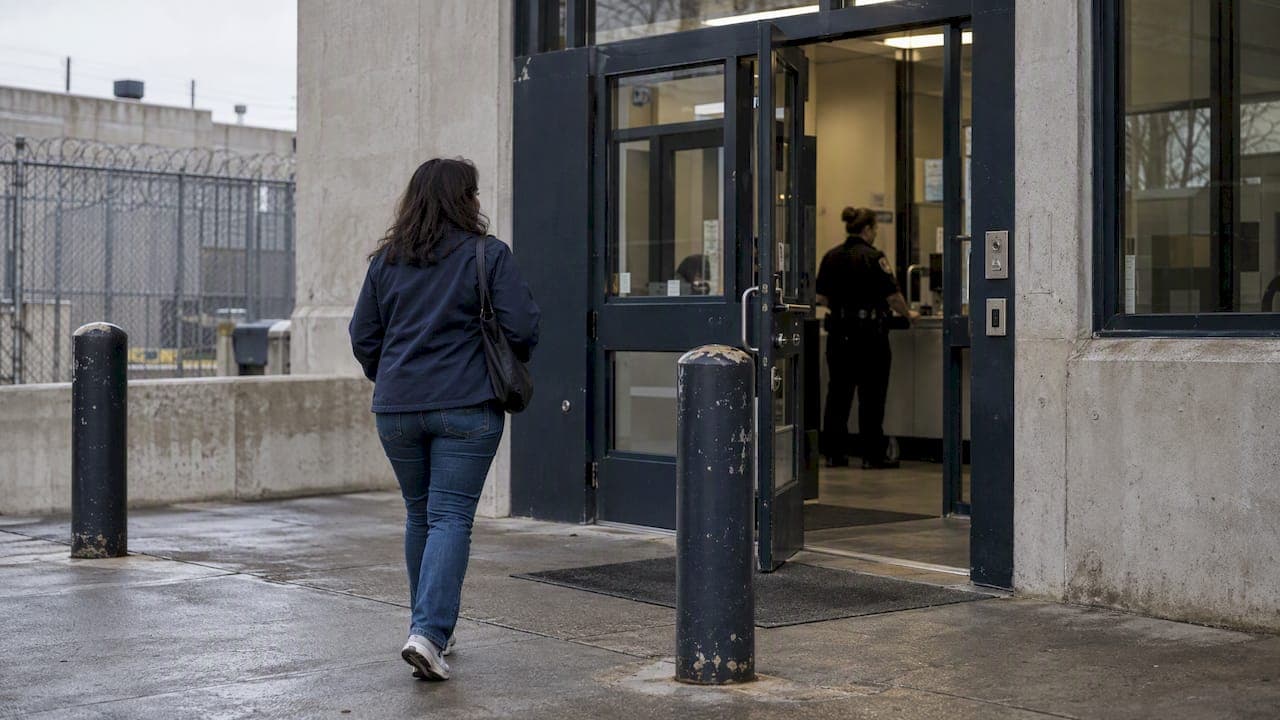
Someone arrested for domestic violence is typically held until a magistrate or bond hearing, which usually happens within 24 to 48 hours of booking, though weekend and holiday arrests can push that timeline to the next business day in some jurisdictions. Bail, protective orders, and victim input usually get addressed at that first court appearance. Families should check the jail roster right away and reach out to the district attorney's victim services office or an advocate while waiting.
TL;DR:
- Local rules shape weekend timing: Fast Track counties target the next business day, while courts excluding weekends and holidays may delay Friday arrests until Monday or Tuesday.
- Judges weigh prior convictions, weapon involvement, active protective orders, and risks of flight or further violence; outcomes include conditional release or detention without bail.
- In California, officers can request higher bail; absent a judicial change within 8 hours, release is required at the scheduled amount.
- Families should call jail intake rather than trust an online roster, which may lag by hours, and contact DA victim services before the hearing.
Table of Contents
- What Happens During Arrest and Booking
- How Weekends and Holidays Change the 24 to 48 Hour Rule
- How Bail Gets Set and When a Judge Can Deny It
- Protective Orders and Victim Support Right After Arrest
- What to Do in the First 24 to 72 Hours
- A Note on Speed, Stress, and What Actually Helps Families
- How We Can Help You Move Faster Right Now
- FAQ
- Sources
What Happens During Arrest and Booking
Officers arrest for domestic violence when they find probable cause that a crime occurred, and many states operate under mandatory-arrest statutes that remove officer discretion once that threshold is met. Guidelines from California's POST domestic violence training materials direct agencies to write policies that encourage arrest when probable cause exists, which explains why so many domestic violence calls end in custody rather than a warning.
Once someone is taken into custody, booking follows a fairly standard sequence:
- Transport to the jail or sheriff's facility for intake.
- Identity verification, fingerprinting, and a mugshot.
- A basic medical screening to flag injuries or health needs.
- Property intake, where belongings are logged and stored.
- A records check for warrants, prior arrests, or active protective orders.
The arresting officer's report becomes the foundation for everything that follows. That report moves to the prosecutor's office, where a deputy district attorney decides whether formal charges are filed, a step separate from the arrest itself.
Police guidelines also push officers to identify the dominant aggressor rather than arresting both people present, a practice the same POST guidelines discourage because dual arrests can punish the actual victim and complicate prosecution later.
Pro Tip: If you're unsure whether someone has been booked, call the jail's intake line directly rather than relying on an online roster that may lag by several hours.
How Weekends and Holidays Change the 24 to 48 Hour Rule
Most jurisdictions aim to bring an arrested person before a judge within 24 to 48 hours of booking, but how that window is counted varies by state and even by county. The Domestic Violence Fast Track Program model used in parts of Colorado aims for next-business-day hearings and immediate victim support, with some county pages describing bond-setting hearings within 48 hours of arrival at jail that explicitly include weekends and holidays in that count.
Other places count differently. Some statutes and local court rules phrase deadlines as "exclusive of weekends and legal holidays," a pattern described in Louisiana's bail hearing statute, which can mean a Friday night arrest doesn't reach a judge until the following Monday or Tuesday.
What this means in practice:
- A Fast Track county may schedule a hearing the next business day no matter when the arrest happens.
- A county that excludes weekends from its clock may hold someone an extra day or two beyond the typical 24 to 48 hour expectation.
- Jail booking staff can usually tell families which rule applies locally, even on a weekend when the courthouse itself is closed.
Checking local practice directly, rather than assuming a national standard, saves families from guessing at a timeline that may not match their specific jurisdiction. Our bail hearing process guide walks through what typically happens once that hearing is finally scheduled.
How Bail Gets Set and When a Judge Can Deny It
At the initial hearing, a judge weighs several factors before setting bail or release conditions: prior domestic violence convictions, whether a weapon was involved, any active protective order, and the perceived risk of flight or continued violence. California Penal Code § 273.75 requires courts to review a defendant's relevant criminal history and related safety factors specifically in domestic violence cases before setting bail.
Officers also have a tool to push for higher bail before that hearing even happens. Under California Penal Code §1269c, law enforcement can file a declaration requesting bail above the scheduled amount; if no judge changes the order within 8 hours, the defendant becomes entitled to release on the originally scheduled bail.
Outcomes at the hearing generally fall into one of these categories:
- Release on the scheduled bail amount listed in the county's bail schedule.
- Conditional release, often tied to a protective order or check-in requirement.
- Held without bail pending a separate hearing, typically reserved for the highest-risk cases.
- Release on own recognizance, with no bail required.
Bail amounts in domestic violence cases vary widely by county and charge severity, which our guide to domestic violence bail amounts breaks down in more detail.
Protective Orders and Victim Support Right After Arrest
Courts can issue a temporary or emergency protective order at the time of arrest or at the first hearing, putting an immediate no-contact rule in place while the case moves forward. Our explainer on no-contact orders covers how these orders interact with bail conditions and what happens if someone violates one.

Victims are typically given a chance to weigh in before conditions are finalized. Seattle's City Attorney resources note that once a report reaches the prosecutor, the prosecutor decides whether to file charges, though victims can still provide input during that process. Fast Track programs described by Arapahoe County go further, connecting victims with DA staff and advocates the same day so protective measures can be requested before release, sometimes requiring victims to check in at the DA's office ahead of the hearing.
Practical resources available right away include: for more information on urgent legal steps, see Violență domestică apărare: pași urgenți pentru siguranța ta.
- A domestic violence hotline for immediate safety planning.
- Local shelter contacts if returning home isn't safe.
- The court clerk's office, which can usually provide a certified copy of a protective order within hours of issuance.
What to Do in the First 24 to 72 Hours
The first few days after an arrest, especially over a weekend, call for quick, prioritized action.
- Secure immediate safety: move children or pets to a safe location and call emergency services or a hotline if there's any ongoing danger.
- Gather documentation: photos of injuries, text messages, medical records, and witness contact information, all of which support any protective order request.
- Locate the arrested person: run an inmate search, call the jail directly, and contact the DA's victim services office for case status.
- Line up help: contact a bail agent and, if charges are likely, an attorney, before the first hearing if possible.
Pro Tip: When calling a bail agent, have the full name, booking number if known, jail location, and a general sense of the charge ready. It speeds everything up.
A more detailed walkthrough of this window is available in our 48 hour hold checklist.
A Note on Speed, Stress, and What Actually Helps Families
Weekend arrests create a strange gap: the legal clock keeps running, but courthouses, clerks, and sometimes victim services offices are closed. Families often spend those hours guessing. In my experience watching this process play out, the families who do best are the ones who start calling immediately instead of waiting for Monday, jails, DA victim advocates, and bail agents all operate on different hours than the courts do.
— Jake
How We Can Help You Move Faster Right Now
We answer calls directly at all hours, every day of the week, which matters most during exactly the kind of weekend gap described above. We write domestic violence bail bonds, offer bail without collateral in many cases, and set up flexible payment plans so cost isn't the thing standing between a family and a release.
Working with a bail agent has nothing to do with guilt or how the case turns out. It's a separate, practical step focused only on getting someone out of custody while the legal process continues. When you call, have ready:
- The arrested person's full name and date of birth.
- The booking number or jail location, if known.
- A callback number where we can reach you.
Reach out through Midnightbail and we'll walk you through the next step.
This article is general information, not a substitute for advice from a qualified lawyer. Consult a qualified legal professional about your own circumstances before acting on anything here.
FAQ
How long can someone be held after a domestic violence arrest?
Most jurisdictions aim for an initial court appearance within 24 to 48 hours of booking, though some areas count only business days, which can extend that window over a weekend. Local jail or court rules determine exactly how the clock runs, so it's worth confirming with the jail directly, as noted in the Domestic Violence Fast Track Program model.
Will a weekend arrest delay the court hearing?
It depends on the jurisdiction. Fast Track programs aim for next-business-day hearings regardless of when the arrest happens, while other courts exclude weekends and holidays from their counting rules, which can push a Friday arrest to the following Monday or Tuesday.
Can police request higher bail in a domestic violence case?
Yes. In California, officers can file a declaration under Penal Code §1269c asking a judge to raise bail above the scheduled amount, and if no change is ordered within 8 hours, the defendant is entitled to release on the originally scheduled bail.
Does hiring a bail agent affect the criminal case?
No. A bail agent's role is limited to arranging release from custody and has no bearing on guilt, innocence, or how the case is resolved. We offer domestic violence bail bonds and flexible payment plans, but the case itself is handled entirely by the court and prosecutor.
What should a victim do right after an arrest?
Contacting the DA's victim services office early is one of the fastest ways to get input into protective order conditions, since some Fast Track programs ask victims to check in before the first hearing. Local hotlines and shelters, along with the court clerk's office for a copy of any protective order, are also useful first calls.
Sources
- Domestic Violence Fast Track Program
- California Penal Code § 273.75
- Domestic Violence Fast Track — Arapahoe County
- Domestic violence guidelines (California POST)