
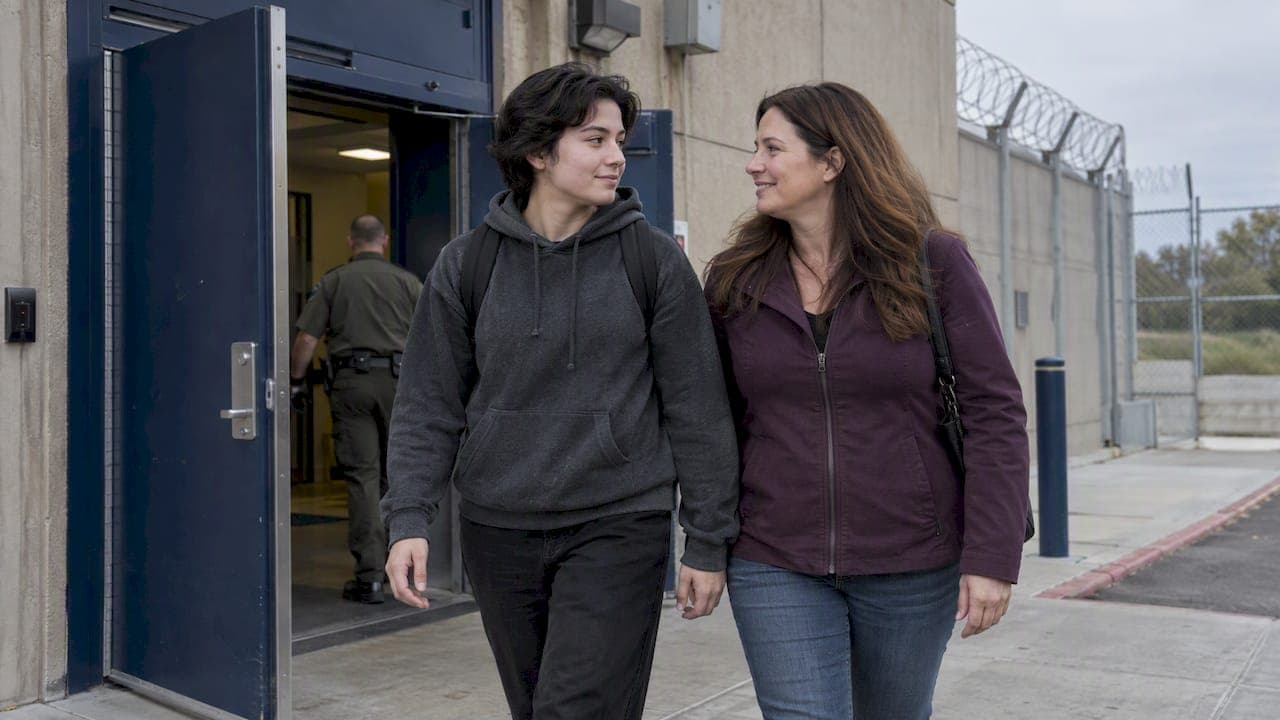
A student who is arrested in California can usually be released on bail, but how that works depends on one thing first: whether the student is an adult or a minor. A college student who is 18 or older goes through the adult system and can post bail with cash or a bail bond. A minor goes through juvenile court, where the judge decides whether to hold or release the young person, and there is no "bail" in the usual sense. This guide explains both paths, what a bond costs, what a family signs, and what to do in the first hours.
TL;DR
- Students 18 and older are treated as adults. Bail is set by the county bail schedule or a judge, and a bond lets the family pay a fraction instead of the full amount.
- Minors are handled in juvenile court, where a judge decides on custody or release. California's courts say there is no bail in juvenile court.
- A bond premium is typically 10% of the total bail amount and is not refundable. Many bonds can be written without collateral, and payment plans are available.
- Whoever co-signs becomes responsible for the full bail if the student misses court, so read the contract before signing.
- Call a licensed agent as soon as you have the student's full name and the jail. We answer at any hour.
Table of Contents
- Adult or minor: the question that decides everything
- How bail works for a college student in California
- What a bail bond costs
- Who signs, and what they are agreeing to
- Conditions after release
- Charges that commonly involve students
- What to do in the first hours
- Our perspective: what we tell families of students
- Getting your student out with Midnight Bail Bonds
- What happens if the student is a minor
- FAQ
- Sources
Adult or minor: the question that decides everything
Parents often say "student" when they mean "my kid." The law cares about age, not enrollment. A 19-year-old sophomore arrested near campus is an adult defendant. A 16-year-old high school junior is a minor, even if the alleged offense is serious.
For adults, California uses money bail. For minors, the juvenile court asks a different question: should this young person stay in custody, or go home under conditions? The California Courts self-help site states that in juvenile court the judge decides whether a youth stays in custody or stays at home, rather than setting a bail amount.

That difference changes who you call and how fast you need to move. If your child is a minor, read our guide for parents on when juvenile bail matters in California and the 48-hour rule. If your student is 18 or older, keep reading.
How bail works for a college student in California
Most arrests of adult students come from a handful of situations: a DUI after a party, a drug possession charge, a fight, shoplifting, a domestic dispute, or a warrant for a missed court date or unpaid ticket. In California, the first bail figure usually comes from the county bail schedule. State law requires each county's judges to adopt a countywide bail schedule listing offenses and the bail for each, and jail staff may accept bail at that amount to release the person without waiting for a judge.
So the amount depends on the charge and the county. A misdemeanor often carries a modest figure. A felony, a charge with injury, or a charge with a prior record can carry a much higher one. A judge can raise or lower bail at arraignment, and for some charges release without money is possible.
This is also different from federal court. Federal judges do not use a standard bail schedule; they set release conditions based on the individual's risk of not appearing or danger to the community. Most campus-area arrests are state matters, so the county schedule is what you will likely face.
The timeline after an arrest
- Booking. The student is fingerprinted, photographed and entered into the jail system. This can take several hours.
- Bail amount appears. Once booked, the inmate record usually shows the bail amount, or notes "no bail" or a hold.
- Release options. The family can post the full amount in cash with the court or jail, or use a bail bond.
- Release. After the paperwork is accepted, the jail processes the release. Processing time varies by facility and how busy the night is.
- Court date. The student must show up on the date given, with or without an attorney.
A hold from another case, probation or another agency can prevent release even after bail is posted. If the record shows one, ask about it before paying anything.
What a bail bond costs
Paying the full bail in cash ties up money until the case ends. A bond is the alternative. You pay a bail bond company a premium, and the company guarantees the full amount to the court.
The premium is set by state rules and is typically 10% of the total bail amount. That fee is non-refundable, even if charges are dropped or the student is found not guilty, because it pays for the service of posting the bond, not for a deposit.
Here is what that looks like:
| Total bail | Typical 10% premium |
|---|---|
| $2,500 | $250 |
| $5,000 | $500 |
| $20,000 | $2,000 |
| $50,000 | $5,000 |
There are options that can reduce what you pay up front. Some qualifying situations allow a 1% bail bond or a 2% bail bond arrangement, and eligibility depends on the case and the agent's review. If the issue is cash on hand, ask about affordable bail bond options and payment plans. We accept cash, credit and debit cards, Zelle and financing.
The bail cost depends on the charge, so it helps to see the figure before you decide. Our bail bond calculator gives you a quick estimate for theft and burglary charges and a feel for how premiums scale.
Does it need collateral?
Not always. Collateral is something of value, such as a car title or property, that backs the bond. In many cases we write bonds without it, which matters for families who cannot pledge a house or whose student has no assets. Whether a bond can go forward without collateral depends on the amount, the charge and the people involved. See how no-collateral bail bonds work before you assume you do not qualify.
Who signs, and what they are agreeing to
A student rarely posts their own bond from a jail cell. Usually a parent, relative, partner or friend signs as the indemnitor, also called the co-signer. That person promises the bond company that the student will show up in court.
The weight of that promise is easy to miss when you are scared at 2 a.m. Under general principles of U.S. federal pretrial release, co-signers are jointly and severally liable for the full bail amount if the defendant does not appear or breaks release terms. California bonds follow the same logic in practice: if the student skips court, the company can be on the hook for the full amount and will look to the co-signer.
Before signing, check four things:
- The total bail amount and exactly what you pay today.
- The payment plan: due dates, amounts and what happens if you are late.
- What collateral, if any, you are pledging, and when it is released.
- When the bond ends, and whether any additional fees apply.
We wrote a full checklist on the contract protections co-signers should demand. Read it if you are the person about to sign.
If the student is old enough and able, there may be another route. Sometimes the arrested person can arrange their own bond by phone; see how bailing yourself out works.
Conditions after release
Posting bail does not end the case. It gets the student out while the case moves forward, with rules attached. California courts can set conditions such as staying away from an alleged victim, avoiding alcohol, attending every hearing, checking in, or not leaving the state. Federal courts may use electronic location monitoring as a special condition where there is a risk of flight or danger, and state judges can impose comparable requirements.
For students, a few conditions come up again and again:
- Stay-away orders. In a dispute with a roommate, partner or classmate, the judge may bar contact. Even a text can count as a violation.
- Alcohol and drug rules. Common in DUI and drug cases, sometimes with testing.
- Travel limits. Going home for the holidays out of state may need permission.
- Check-ins. Our agents also ask for regular contact, since a bond is a promise to the court.
Breaking a condition can lead a judge to revoke release and issue a warrant, and the family can lose the premium and face a demand for the full bail. Our overview of bail conditions in California goes through the typical ones.
Charges that commonly involve students
DUI
DUI arrests are among the most common reasons a student is booked. Many are first offenses, and bail is often set by the schedule. Because a student may be held until sober and processed, speed matters. See our page on DUI bail bonds in California. Related vehicle citations and warrants are covered under traffic and vehicle code bail bonds.
Misdemeanors
Petty theft, trespass, disorderly conduct, minor drug possession and fights without serious injury are typically misdemeanors. Bail tends to be lower, and in some cases a person is released on a written promise to appear. When bail is required, a misdemeanor bail bond is usually quick to arrange.
Resisting arrest
A night of drinking can turn into a second charge when an interaction with police escalates. We explain resisting arrest bail and how to post it fast.
Domestic violence and restraining orders
Dispute-related arrests between partners or roommates can lead to stricter handling. Judges often add protective orders, and in some cases can refuse release. Our guide on restraining order violation bail covers when a judge can deny it, and this article on bail on domestic violence charges and what to expect walks through the release and court steps that follow an arrest. For one specific charge, see PC 243(e)(1) bail amounts in California.
What to do in the first hours
Families who live far from campus often make the call from another state. Here is the order that saves time:
- Find out where your student is. Use the county sheriff's inmate locator, or ask us for help with our inmate search. You need a full legal name and, ideally, a date of birth.
- Ask for the booking number and bail amount. If the record is not up yet, the student may still be in processing.
- Do not let your student talk about the case. A student should be polite with officers and ask for an attorney before answering questions about what happened. Calls from jail are usually recorded.
- Call a licensed bail agent. Bring the name, booking number, charge and bail. Many parts of the process can start online, so you can start the process from your phone.
- Line up an attorney. A bond gets the student out. A criminal defense attorney, or the public defender if the student qualifies, handles the case.
- Tell the school only when you need to. Students should check with their defense attorney before speaking to campus officials about an arrest.
If you are searching at night or on a weekend, a 24-hour bail bond service matters, since delays can mean extra hours or a night in custody. If there is a hold from another county, our 1275 hold bail bond page explains what that means in California.
Students attending school in Orange County or the Inland Empire are covered too, through our Orange County bail bonds and San Bernardino bail bonds service.
Our perspective: what we tell families of students
We talk to parents on the worst night of their year. The first question is rarely about money. It is: "Is he safe, and how fast can he come home?" So we answer that first.
Our honest view is that students are not hardened defendants. Most are young people who made a poor decision or were caught up in a bad night, and most have no prior record. That is why the bond decision should be calm and based on facts: the amount, the charge, the county and what the family can realistically manage.

Three things we tell every family. First, the premium is a fee, not a deposit, so pay it only if getting out now is worth that cost to you. Second, do not sign what you do not understand; ask us to read through the cost, the payment plan and any collateral aloud. Third, the bond is not the end. A student who makes every court date and follows conditions protects the family, and a good attorney protects the student's future.
We work with licensed agents who answer directly at any hour, provide clear costs upfront, offer bilingual English and Spanish support on every shift, and have direct working relationships with jails and courts that help releases go faster. Many parents of international and out-of-state students appreciate that they can handle most of it by phone.
— Jake
Getting your student out with Midnight Bail Bonds
If your student has been arrested in California, we can start as soon as you have a name and a jail. Our licensed agents explain the 10% premium, payment plans and whether a bond can go forward without collateral, so you know the cost before you sign. Call or start online with Midnight Bail Bonds and we will walk you through each step, in English or Spanish.
What happens if the student is a minor
If your child is under 18, the question changes from "how much is bail" to "will the judge release them to us." California's juvenile court looks at whether the youth should be held or can go home, and families usually attend a detention hearing. International guidance points the same direction: the UN Convention on the Rights of the Child says detaining minors should be a last resort, putting the child's best interests first.
A few minors are charged as adults for very serious offenses, and then adult bail rules can apply. If that is your situation, speak with a defense attorney and then with us about the bond. Our juvenile bail guide for parents covers the timeline.
FAQ
Can a college student get out on bail in California?
Yes. A student who is 18 or older is treated as an adult, so bail is set under the county schedule or by a judge. The family can pay the full amount or use a bail bond, and in some cases a judge releases the person without money.
How much does it cost to bail out a student?
With a bond, the premium is typically 10% of the total bail amount, so $5,000 bail means a $500 premium. That premium is non-refundable. Payment plans and, in some cases, lower-down-payment options can make the upfront cost smaller.
Do parents have to put up their house?
Not necessarily. Many bonds can be written without collateral, depending on the bail amount, the charge and the co-signer's situation. An agent can tell you quickly whether your case qualifies.
Can a minor be bailed out?
Generally, no, not the way an adult is. In California juvenile court, a judge decides whether a youth stays in custody or goes home, and bail is not part of that process. A parent should contact the juvenile court or an attorney right away.
What if my student misses court after I co-signed?
The court can issue a warrant and demand the full bail amount, and the co-signer can be held responsible. Contact the bond agent and the defense attorney immediately, because a quick fix, such as rescheduling the hearing, is sometimes possible.
Sources
- Juvenile justice court process, California Courts Self-Help
- FAQs, U.S. Pretrial Services Agency
- California Penal Code § 1269b, FindLaw
- Supporting Youth Through the Justice System, City of Toronto