
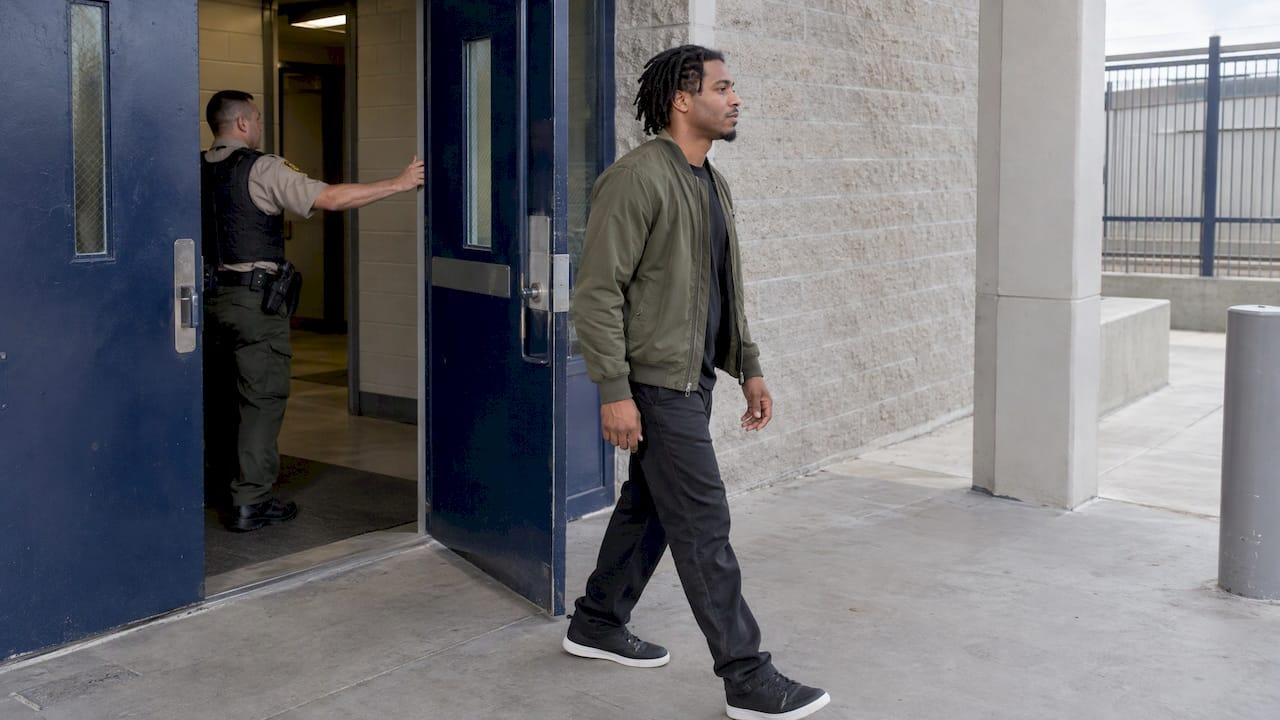
Reckless driving bail is usually a modest, schedule-based amount, and in California you can get a loved one out by paying a bail agent a 10% non-refundable premium instead of the full sum. The exact number depends on the county, the court's bail schedule and whether anyone was hurt. The fastest way to learn it is to call a licensed agent with the person's name and the jail they are in. At Midnight Bail Bonds, licensed agents answer around the clock and offer bilingual English/Spanish support on every shift.
This guide explains what bail means after a reckless driving arrest, how amounts are set, what a bond costs with a worked example, when release without paying is possible, and what slows a release down.
TL;DR
- Reckless driving bail is set from a court bail schedule, so it varies by county and by facts such as injury. Bail is usually lower for a plain misdemeanor and much higher when someone was seriously hurt.
- In California a bond premium is typically 10% of the total bail amount and is non-refundable. A bail of $5,000 means a premium of $500.
- Some people are released on their own promise to appear, with no money at all. A bail agent is for when that has not happened and the person is still in custody.
- We offer payment plans, many bonds without collateral, and accept cash, cards, Zelle and financing.
- Have the full name, date of birth and jail location ready when you call. Our free inmate search can confirm booking details.
Table of Contents
- What bail means after a reckless driving arrest
- How the amount is set
- What a bail bond costs: a worked example
- Release without paying anything
- Posting bail for reckless driving in California: the steps
- What can slow down a release
- Paying the ticket is not the same as posting bail
- If you are the one arrested
- Para familias que hablan español
- Get a reckless driving bail quote now
- Our perspective
- FAQ
- Sources
What bail means after a reckless driving arrest
Bail is money or a guarantee that the court holds to make sure the arrested person comes back for every hearing. The Colorado State Public Defender describes bail as collateral that secures a return to court. It is not a fine and it is not a finding of guilt. It is a deposit on showing up.
After an arrest, the person is booked at a local jail: fingerprints, photos, a record check. Bail is then either already fixed by a schedule or decided by a judge. Colorado's public defender notes that automatic bail amounts for many common charges can allow release within a few hours of arrest, and that judges set bail in most other cases at the first court appearance within 48 hours. Practices differ by state, but the pattern is similar: a scheduled amount for routine charges, a judge for the rest.

Reckless driving is generally a misdemeanor when nobody is seriously injured, which is why it often has a set amount. When the driving is linked to a crash with injury or a death, the charge climbs, and so does the bail.
How the amount is set
Two things drive the number: the charge and the local rules.
The bail schedule
In California, courts adopt written schedules each year. Under Rule 4.102 of the California Rules of Court, trial court judges adopt bail and penalty schedules annually for misdemeanor and infraction offenses, considering the Judicial Council's schedules and whether extra bail is warranted for aggravating factors. Each county publishes its own, so the same arrest can carry a different amount in Orange County than elsewhere. For a deeper look at who decides and why, see our guide on how bail is set in California.
Factors that move it up or down
A judge or pretrial staff can look at the facts behind the schedule. Connecticut's statute is a good example of what courts weigh: the nature of the offense, prior convictions, record of court appearances, family ties, employment, finances and community ties. California judges consider comparable points. In practice, the things that raise reckless driving bail are:
- an injury or a death in the incident
- alcohol or drugs alongside the driving (the charge may be a DUI instead, or as well)
- prior arrests or missed court dates
- a warrant or a hold from another case
Things that usually help are steady work, local family and a clean record of showing up for court.
Examples from other states
Because the keyword is searched nationwide, here are real published figures. They show the range, not what you will pay in California.
| Place | What the official source says |
|---|---|
| Comanche County, Oklahoma | Weekend release bail for reckless or careless driving is $750, paid at the detention center when the courthouse is closed |
| Wisconsin | Where no bond is set for a traffic violation, the 2026 schedule points to one-half of the maximum monetary penalty |
| New Jersey | $20,000 to $50,000 for aggravated assault by auto (driving recklessly causing serious injury, second degree), with a 10% cash option; higher ranges for death by auto |
The lesson: a plain reckless driving misdemeanor can be a few hundred dollars in one county, while a reckless driving case with serious injury can be tens of thousands. Check the figures against the county where the arrest happened, because schedules are reviewed on a regular cycle. The Wisconsin Court System, for instance, says its schedule is reviewed annually.
What a bail bond costs: a worked example
If the bail is low enough, some families simply pay it in cash. When it is not, or when you would rather not tie up the money, a bail bond lets you pay a fraction. In California the premium is state-mandated and typically 10% of the total bail amount. It is non-refundable, even if the case is later dismissed, because it is the fee for the agent putting up the full bond.
Hypothetical examples, to show the arithmetic:
| Total bail | Typical 10% premium |
|---|---|
| $2,500 | $250 |
| $5,000 | $500 |
| $10,000 | $1,000 |
| $25,000 | $2,500 |
The other side of cash bail is that cash bail paid directly to the court is generally returned when the case ends and the person has attended every hearing, minus any fines or fees the court applies. A bond premium is not returned. That is the trade: a smaller amount now, spent for good, against a larger amount tied up for months. Many families choose the bond because they do not have the full sum on hand tonight.
We also offer 1% bail bond and 2% bail bond options in California, and payment plans and financing. Cash, credit and debit cards, and Zelle are all accepted.
Release without paying anything
Sometimes there is nothing to pay. Several official sources describe these routes:
- Own recognizance (OR) or personal recognizance. The person signs a promise to appear. Colorado's public defender says this option requires no payment or collateral and exists for defendants who cannot afford bail. Delaware's courts describe the same idea, own-recognizance bail needing a signed bond but no money.
- Release before bail is posted at all. Wisconsin's 2026 schedule says people arrested for a misdemeanor, including a misdemeanor traffic offense, must be released without cash bond unless exceptions apply, such as no proper ID, no community ties or earlier missed appearances.
- Conditions instead of money. Courts can require supervision, travel limits, or a ban on alcohol. In California, see what conditions of release a court can impose.
Whether any of these is available is the judge's decision, and a booking officer cannot promise it. If your loved one is still in custody after the first hours, the bond route is the one you control.
Posting bail for reckless driving in California: the steps
- Find where the person is held. You need their full legal name, date of birth and the facility. Our free instant inmate search shows booking information.
- Confirm the bail amount. The jail or the booking sheet lists it. Reckless driving with injury, or paired with a DUI, can have a different amount than reckless driving alone. A licensed agent can read the booking details with you.
- Decide between cash and a bond. Cash bail goes to the court or jail and is held until the case ends. A bond costs the 10% premium. When you call us, you get the premium and the payment options stated up front.
- Complete the paperwork. The person who signs, called the indemnitor, agrees the arrested person will attend every court date. The signing can start online from a phone. See online bail bonds.
- Pay the premium. We take cash, cards, Zelle and financing, and we offer payment plans. Many bonds are written without collateral, so you do not always need to put up a house or a car title. Colorado's public defender notes that bondsmen elsewhere often ask for property-title collateral, so ask about no-collateral bail bonds first.
- Wait for release and go to every court date. Missing court can forfeit the bond and lead to a warrant, so write the dates down the same day.
If cost is the main worry, our page on affordable bail bonds shows how the options fit together.
What can slow down a release
Paying bail does not open the cell door at once. Typical delays:
- Booking is not finished. Jails process people in a queue, and a bond cannot be posted until the booking is complete.
- Waiting periods for certain offenses. Comanche County, Oklahoma, as one example, requires DUI-related offenses to wait 8 hours after booking and excludes release by bond for charges involving violence, injury or domestic abuse. Rules differ by place, but a DUI alongside reckless driving can mean a wait.
- Holds from another case. An old warrant or a hold elsewhere keeps the person in custody even after this bail is paid. Our 1275 hold bail bonds page covers one common California hold.
- Court is closed. If bail was not set by schedule, a judge may have to see the person first.
For reckless driving that is really a drunk driving arrest, the process runs differently. Our guide to first-offense DUI bail walks through it, and if there was a crash with injury, see DUI with injury bail. Our DUI bail bonds page explains the options for those cases.
Paying the ticket is not the same as posting bail
A lot of confusion comes from mixing up bail on an arrest with bail on a traffic ticket. In California, an infraction defendant may be allowed to pay at least 10% of bail before the court date and the rest on a schedule the court agrees to, under Vehicle Code section 40510.5. Missed payments can lead to a failure-to-appear-or-pay charge, civil assessment or a warrant, and since January 1, 2024 willful nonpayment without lawful excuse is a misdemeanor under section 40508, per the same code.
That applies to infractions, not to someone sitting in jail after an arrest. If the person is in custody, the question is how to get out, and that is what a bond is for. Other states are different: Chattanooga, Tennessee, says reckless driving citations require a mandatory court appearance rather than a payment online.

If you are the one arrested
You can arrange your own bond, or a family member or friend can sign for you. In either case, remember:
- Do not discuss the facts of the incident on jail phone lines, which are generally recorded.
- Ask a family member to call us with your booking information.
- A criminal defense attorney handles the charge itself, including defenses and plea options. Bail only gets you out while the case goes on, and the court date still needs an attorney's advice.
Para familias que hablan español
Si usted o su familiar prefiere el español, nuestro equipo bilingüe atiende en inglés y español en cada turno, a cualquier hora. Puede darnos el nombre completo, la fecha de nacimiento y la cárcel, y le explicamos el monto de la fianza, la prima y las formas de pago antes de firmar.
Get a reckless driving bail quote now
We work 24/7 across California. A licensed agent will tell you the bail, the premium and the payment options at the first call, and many bonds need no collateral. Payment plans and financing are available. You can start from your phone or visit our 24-hour bail bonds page, or go to Midnight Bail Bonds and call.
If the arrest was in Orange County, see our Orange County bail bonds page for local jail details.
Our perspective
Families rarely call us at a convenient hour. They call at 2 a.m., usually with a booking number scribbled on a receipt and no idea what bail means.
Reckless driving is a good example of why the first conversation matters. The charge sounds small, and often the bail is, but the amount depends on the county schedule, on whether anyone was hurt and on whether alcohol is involved. A licensed agent who reads the booking sheet with you can tell you in minutes what the real number is.
We built Midnight Bail Bonds around that moment: licensed agents answer directly at any hour, costs are stated up front, many bonds are written without collateral, and bilingual support is on every shift. Payment plans exist so that the 10% premium does not have to arrive all at once.
Getting out sooner means getting back to work, kids and a lawyer sooner. That is what we are here for.
Jake
FAQ
How much is bail for reckless driving in California?
It comes from the county's misdemeanor bail schedule, which judges adopt each year under Rule 4.102, and it goes up when there are aggravating factors such as an injury. Call us with the person's name and jail, and an agent will confirm the figure and the 10% premium.
Can someone be released for reckless driving without paying bail?
Sometimes. A judge can release a person on their own recognizance, with a signed promise to appear and no payment, as Colorado's public defender explains. If that has not happened and the person is still in custody, a bond is the way to arrange release.
Do I need collateral to bail someone out?
Not always. We write many bonds without collateral, and we take cash, cards, Zelle and financing. Ask about no-collateral bail bonds when you call.
Do I get the premium back if the charges are dropped?
No. The premium is a non-refundable fee, set by the state at typically 10% of the bail. Cash bail posted directly with the court is a different arrangement and is generally returned at the end of the case, less any court fees.
How long does release take after bail is posted?
It depends on the jail's processing and on the charge. The Colorado State Public Defender notes release can come within a few hours for scheduled amounts, while DUI-related cases or holds can add waiting time.
Sources
- Bail and Pretrial Release, Colorado State Public Defender
- Weekend Bond Release, Comanche County, OK
- Revised Uniform State Traffic Deposit Schedule 2026, Wisconsin Court System
- Revised Uniform State Traffic Deposit and Misdemeanor Bail Schedule 2026, Wisconsin Court System
- Rule 4.102, California Rules of Court
- Bail FAQs, Connecticut Judicial Branch
- Administrative Directive supplement, New Jersey Courts
- Arraignment in the Court of Common Pleas, Delaware Courts
- California Vehicle Code, Division 17
- Court Information, Chattanooga.gov