
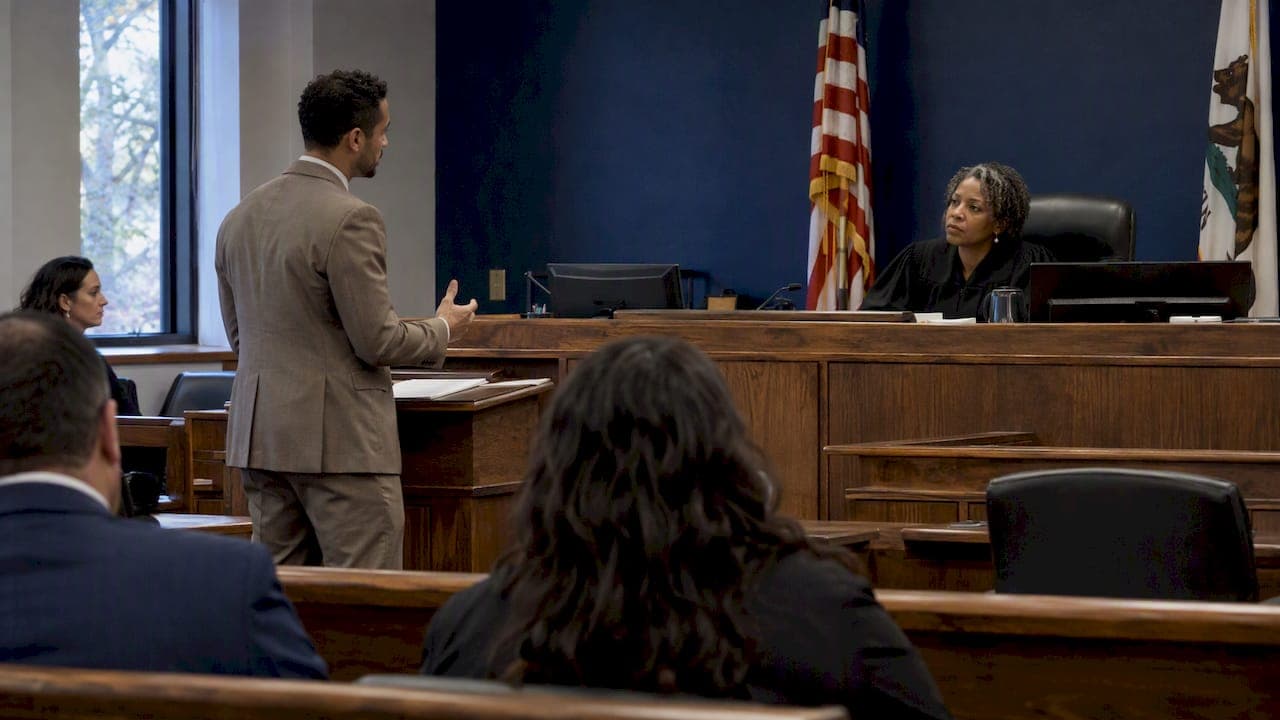
There is no statewide zero bail policy in California in 2026. The emergency $0 bail schedule from the early pandemic period ended in 2020. Today, release without paying money depends on the county, the charge and a judge's individual decision. Some people go home without posting anything. Others have a bail amount set, and for them a bail bond is often the fastest way out.
This guide explains what zero bail meant, what governs release now, and how to find out where your loved one stands tonight.
TL;DR
- California has no statewide $0 bail rule today. The emergency schedule of 2020 was temporary, and some counties kept their own versions.
- Courts must treat release before trial as the norm. A person can be held only in narrow situations, and a judge has to hold a hearing first.
- Serious and violent felonies usually still go on a traditional bail schedule rather than a no-money release.
- If bail is set, a bond typically costs a non-refundable 10% premium of the total bail. Call the jail or check the county's inmate search first, because the person may already be eligible for release.
Table of Contents
- What "zero bail" actually means in California
- The rule that shapes release now: In re Humphrey and 2026 rulings
- Why someone might be released with no bail posted
- Why someone might be held with a bail amount, or no bail at all
- Cash bail, own recognizance and supervised release compared
- How to find out where your loved one stands tonight
- When zero bail does not apply: how a bail bond works
- How Midnight Bail Bonds can help
- Our perspective: zero bail is a headline, not a plan
- What happens after release
- FAQ
- Sources
What "zero bail" actually means in California
"Zero bail" is a loose phrase. It covers two different things, and mixing them up leads families to wait for a release that is not coming.
The 2020 emergency schedule. In spring 2020, as COVID-19 spread through jails, California courts set bail at $0 for most low-level offenses. That was a temporary emergency measure, and the statewide version ended that June. Counties were allowed to continue their own approach, and some did.
Release without money as a general concept. In everyday use, zero bail means a person is released from custody without having to post money. That can happen through a promise to appear, release on own recognizance, a citation at the scene, or release after booking with conditions.
So the honest answer to the search is this: there is no single zero bail law you can point to. What exists is a constitutional rule favoring release, plus county protocols that put it into practice. That is why the answer in Los Angeles can differ from the answer in Stanislaus or Contra Costa.
The rule that shapes release now: In re Humphrey and 2026 rulings
The biggest change in California bail law did not come from a zero bail statute. It came from the courts.
In 2021, the California Supreme Court decided In re Humphrey. The court held that detaining someone solely because they cannot afford bail is unconstitutional. Judges must consider nonfinancial conditions first, and detention is impermissible unless no less restrictive condition can protect the state's compelling interests.
A 2026 staff memorandum from the California Law Revision Commission's Committee on Revision of the Penal Code summarizes where things stand. It says the court treats pretrial liberty as the norm and detention as a limited exception. The same memo says detention is allowed only in narrow circumstances, and the court must find by clear and convincing evidence that no nonfinancial condition can reasonably assure safety or appearance.
The Marshall Project's 2026 coverage adds how the decision works in practice. Prosecutors who want someone detained must show the case fits one of the constitution's limited no-bail categories, and a judge must hold a hearing before ordering detention.
What this means for a family:
- Being unable to pay should not, by itself, keep someone in jail.
- If money bail is set, the amount is supposed to be reasonably attainable for that person. The 2026 memo describes an individualized assessment when financial conditions are used.
- The same memo notes that some trial courts still jump to cash bail, which has led to frequent appeals. Rules on paper and results at the counter do not always match.
Why someone might be released with no bail posted
People leave jail without paying anything for a handful of reasons.
- Cite and release. For eligible low-level offenses, police issue a citation and the person never goes through full booking.
- Release after booking. Some arrestees are released once booked, with a date to return to court.
- Own recognizance. A judge releases the person on a written promise to appear.
- Supervised release. The court sets conditions such as check-ins or monitoring.
County rules decide which of these apply. In Contra Costa County, the Superior Court's bail schedule announcement effective July 8, 2026 says eligible Cite and Release arrestees go home on their own recognizance, and Book and Release arrestees are released after booking. Neither requires bail. People on felony probation, parole, post-release community supervision or mandatory supervision are not eligible for either path.
In Los Angeles County, the Superior Court's pre-arraignment release protocols FAQ, effective October 1, 2023, explains that magistrates make individualized release decisions based on public safety risk and the likelihood the person returns to court. Most nonviolent, non-serious offenses get nonfinancial release conditions.
Why someone might be held with a bail amount, or no bail at all
Not everyone is eligible for a no-money release. Three situations come up most often.

Serious or violent felonies. Offenses designated as serious or violent by the California Constitution or Penal Code section 1270.1 typically stay out of pre-arraignment zero-dollar release. The LA protocols FAQ says they remain subject to traditional bail schedules. Before a person arrested for those offenses can be released at a different amount than the schedule or on their own recognizance, section 1270.1 calls for a hearing in open court.
Supervision status. Someone already on probation or parole may be excluded from the quick-release tracks, as both the LA and Contra Costa documents show.
A finding of danger or flight risk. The state constitution allows denial of bail in limited categories, such as capital crimes or certain acts of violence, when the court finds the required risk. The prosecutor has to make that showing at a hearing.
There is also the county schedule itself. The Stanislaus County Superior Court's 2026 bail schedule says a magistrate may set bail above or below the listed amount, based on past court appearances, the maximum potential sentence and the danger to others. A scheduled amount is a starting point, not a guarantee.
Cash bail, own recognizance and supervised release compared
| Release type | Money posted up front? | What the court relies on | Typical situation |
|---|---|---|---|
| Cite and release | No | Citation with a court date | Low-level offense, eligible person |
| Book and release | No | Release after booking | Eligible county arrestees |
| Own recognizance (O.R.) | No | Written promise to appear | Judge finds low risk |
| Supervised release | No | Conditions such as check-ins or monitoring | Judge wants oversight |
| Cash or bond bail | Yes: cash, property or a bond | Security forfeited if the person misses court | Bail amount set by schedule or judge |
In the Humphrey opinion, cash bail means money, property or often a commercial bond posted as security, and it is forfeited if the defendant later fails to appear. That forfeiture is why missing a court date after bail is so costly for everyone involved.
Nonfinancial conditions, according to the San Francisco Superior Court's 2024 bail fact sheet, can include electronic monitoring, check-ins with a pretrial case manager, community housing or shelter, and drug or alcohol treatment. Counties also run pretrial programs. The Alameda County Superior Court reported on its Pretrial Expansion Program, which offers case management, housing and substance abuse treatment to people released pending trial.
How to find out where your loved one stands tonight
The first hours matter most. Here is a practical order of operations.
- Confirm they are in custody and where. Use the county sheriff's inmate lookup or call the jail's information line. In Los Angeles County, for example, the Sheriff's inmate information FAQ lists an information center number and says you will need the person's full name and date of birth or arrest date. The online search needs the name exactly as the person was booked.
- Get the booking number and charges. These tell you the bail amount, if one is set, and whether the person is held for something else.
- Ask whether they are eligible for cite release, book and release or O.R. If the answer is yes, no bond is needed. Jail staff or the court's pre-arraignment unit can often tell you.
- Ask about holds. A warrant, probation violation or hold from another county can keep someone in custody even after bail is posted.
- If bail is set, compare the amount to what the family can manage. That is when a bond becomes the practical route.
You can also run our free instant inmate search to pull up booking information. If you want to understand what happens in front of the judge, our guide to the bail hearing process walks through it. A decision can be reviewed within five days or revisited later for good cause, according to the 2026 staff memo, so a first bail amount is not always final. A defense attorney or public defender is the right person to ask for a bail review.
When zero bail does not apply: how a bail bond works
If the person is not eligible for release without money and the court sets bail, a licensed bail agent can post a bond. In California, the premium is state-regulated. For our clients, it is typically 10% of the total bail amount, and it is non-refundable. On a $50,000 bail, for instance, 10% is $5,000.
Some things to understand before you sign:
- The premium is the cost of the bond. It is not returned when the case ends, even if charges are dropped.
- A co-signer takes on responsibility. The person who signs is promising that the defendant will appear in court.
- Missed court dates have consequences. The bond can be forfeited.
- Paperwork speeds things up. Having ID, the booking number and the co-signer's information ready helps. Our list of bail bond documents that speed release shows what to gather.
Make sure you are dealing with a licensed agent. Our guide on how to check a bail agent's license explains how.
How Midnight Bail Bonds can help
If bail has been set and you need your loved one home, our licensed agents answer calls directly at any hour, and we serve all of California. We can explain the cost clearly up front. We offer payment plans and financing, and in many cases we write bonds with no collateral. We accept cash, credit and debit cards, and Zelle. Support is available in English and Spanish on every shift.
You can start online from your phone, or see our 24-hour bail bond service. Facing a DUI arrest? See our DUI bail bonds page. For a general overview, start at midnightbail.com.
Our perspective: zero bail is a headline, not a plan
When families call us at 2 a.m., almost nobody asks about constitutional law. They ask one thing: how fast can we get them out?
Here is what we have learned. "Zero bail" sounds like a promise that no one will need to pay. In practice, the only answer that counts is the one from the county where the person was booked. Sometimes the person is released before the family even finishes searching. Other times a bail amount shows up on the screen and the clock starts running.
Our advice is simple. Check the inmate search first. Ask whether the person qualifies for a release that costs nothing. Do not pay for a bond you do not need. If bail is set and you cannot wait for a hearing, call a licensed agent who will tell you the total cost before you sign anything. That is how we try to work: direct answers, clear costs, bilingual help, and local relationships with jails and courts that help move paperwork along.
A bond is not a way around the court process. It is a tool for getting someone home while the case moves forward, and the court date still has to be kept.
— Jake
What happens after release
Whether the person left on their own recognizance or on a bond, the court date does not go away. Missing it can lead to a warrant, and a forfeited bond. If the court sets conditions, such as check-ins, treatment or monitoring, they apply from the day of release. Our guide to what happens after bail covers the next steps, and our overview of bail conditions in California explains what a judge can require.
If the arrested person is a minor, different rules apply, and our parents' guide to juvenile bail covers them.
FAQ
Is there a zero bail policy in California in 2026?
No. The statewide $0 bail schedule adopted in 2020 as a pandemic emergency measure ended that year. Today, release without money depends on the county's protocols and a judge's individual decision, guided by the California Supreme Court's rulings that pretrial release is the norm.
Can someone be held without bail in California?
Yes, but only in limited cases. Prosecutors must show the case falls within the constitution's narrow no-bail categories, and a judge must hold a hearing first. Serious and violent felonies also tend to remain on traditional bail schedules.
Do I still need a bail bond if my relative might be released on their own recognizance?
Not if they are actually released. Check the inmate search and ask the jail or court about eligibility first. If a bail amount is set and the person is not eligible for release without money, a bond may be the fastest route, usually for a non-refundable premium of 10% of the bail.
Who decides whether bail is set or reduced?
A magistrate or judge decides, using the county bail schedule as a starting point. They can go above or below the scheduled amount based on factors such as court appearance history and risk. The decision can be reviewed within five days or revisited for good cause, so ask the defense attorney about a bail review.
Sources
- In re Humphrey, California Supreme Court (2021)
- Staff Memorandum 2026-09, Committee on Revision of the Penal Code
- The Marshall Project: Did the California Supreme Court remake the state's money bail system?
- Contra Costa Superior Court bail schedule announcement
- Los Angeles Superior Court pre-arraignment release protocols FAQ
- Stanislaus County Superior Court bail schedule, 2026
- San Francisco Superior Court bail fact sheet, 2024
- Alameda County Superior Court pretrial program report
- Los Angeles County Sheriff inmate information FAQ