
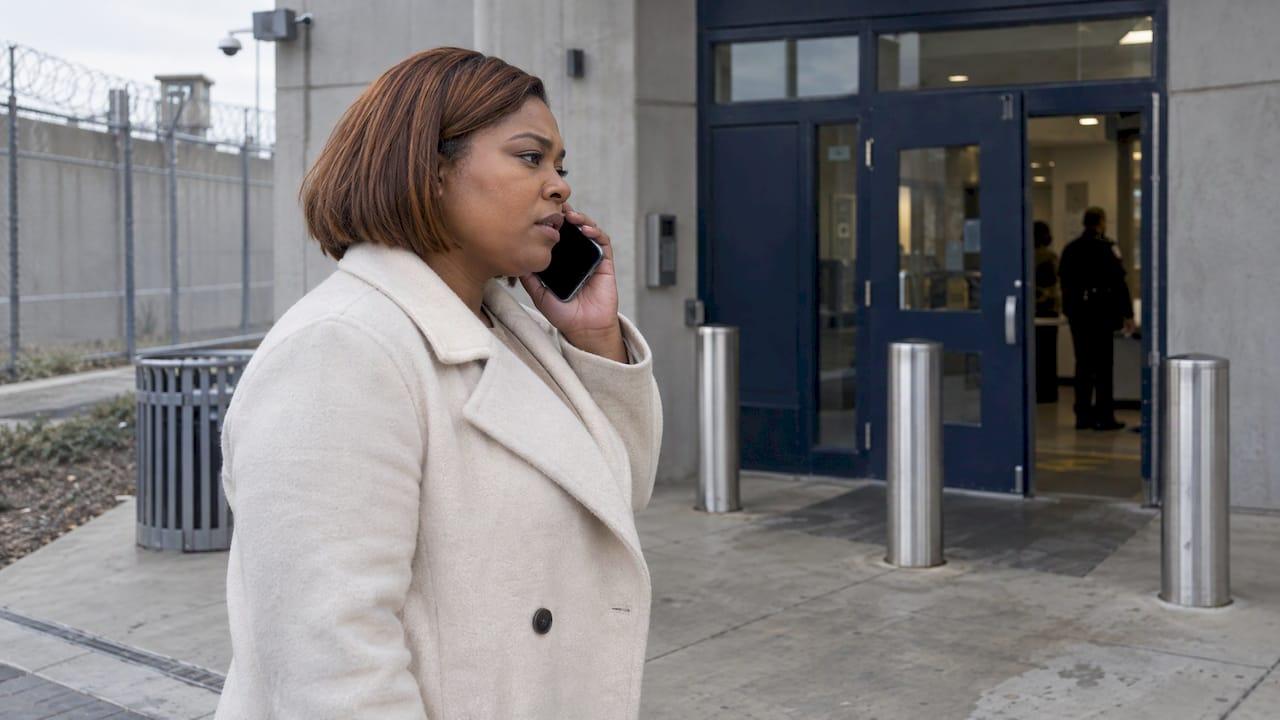
A first arrest does not automatically mean a high bail or a long stay in jail. Judges weigh a clean record in your favor, but the first hours still move fast, and the amount on the booking sheet is often what decides how soon someone comes home. If you need to get a loved one out now, Midnight Bail Bonds has licensed agents answering 24/7 across California, with bilingual English/Spanish support and a free instant inmate search to find booking information.
TL;DR
- A first-time offender may be released without paying anything if a judge grants release on their own recognizance, but this is a judge's decision, not a right in every case.
- A clean record usually helps: judges often set lower bail for a first-time offender than for someone with a history of missed court dates.
- In California, a bail bond premium is typically 10% of the total bail amount, and it is not refundable.
- Bail set by the county schedule at booking can be paid right away; otherwise a judge sets it at the first appearance, usually within 24 to 72 hours.
- Once someone is released, showing up to every court date is what protects the bond.
Table of Contents
- Does a first-time offender have to pay bail?
- How California decides the amount
- The timeline after a first arrest
- Your release options
- What a bail bond costs in California
- Why families choose a bond after a first arrest
- What happens after release
- Our perspective
- Getting started with Midnight Bail Bonds
- FAQ
- Sources
Does a first-time offender have to pay bail?
Not always. Nolo's guide to how bail is set explains that a judge can waive bail and release a person on their own recognizance, meaning a signed promise to return to court with no money paid. It also notes that judges often set bail lower for a first-time offender than for a repeat offender.
The American Bar Association adds that own-recognizance release usually goes to people with a steady job, community roots or other signs they will not flee. That is why a first arrest with a local address and employment is the strongest case for a low or zero bail.
The catch is timing. Release on recognizance usually comes from a judge or magistrate, and that may not happen for a day or more after the arrest. Many families would rather not wait, which is where a bail bond comes in.
How California decides the amount
Two things set bail in California: the county bail schedule and, later, a judge.
The bail schedule. Each county publishes a schedule listing a standard amount for each offense. At booking, the amount comes from that schedule unless a magistrate grants own-recognizance release or adjusts bail, as the Stanislaus County Superior Court's schedule effective January 1, 2026 describes. Because it is the same list for everyone, the schedule does not reward a clean record. The judge's review does.
The judge's review. The San Francisco Superior Court's 2024 bail fact sheet states that the California Constitution requires judges to consider the seriousness of the crime, prior record, risk to the community and to victims, and flight risk. Courts must also consider less restrictive options, such as electronic monitoring, check-ins or treatment, before setting bail a person cannot afford.
Nolo reports that in In re Kowalczyk (Cal. Sup. Ct. 2026), the California Supreme Court ruled that in bailable cases bail must be set at an amount the defendant can reasonably attain.
For a first-time offender, the practical result is that the record counts at the hearing, not at the booking window. The charge matters most: a first-time DUI or a first-time drug charge is treated very differently from a first-time violent felony.
The timeline after a first arrest
Nolo describes the usual sequence: booking, then either payment of the scheduled bail for immediate release, or a first appearance before a judge, typically within 24 to 72 hours of arrest. After that, release comes through cash bail or a bond agent, with conditions attached.

If you want to understand what happens at each stage, our guides on booking versus arraignment and the jail booking process walk through it. Our first three steps after an arrest is a good place to start if the arrest just happened.
A useful point for families: you do not have to wait for the judge to start. If the scheduled amount applies, the bond can be arranged right after booking is complete.
Your release options
The Colorado State Public Defender lists four ways out, and California follows the same general pattern:
| Option | What it means | What it costs |
|---|---|---|
| Own recognizance | A judge releases on a written promise to appear | No payment, judge's decision |
| Cash bail | The full bail amount is paid to the court | The whole amount, returned at the end of the case if all dates are met |
| Bail bond | A licensed agent guarantees the bail to the court | A premium, typically 10% of bail, not refundable |
| Property bond | Property is pledged for the bail amount | Slower, involves paperwork on the property |
FindLaw gives an example: on $7,000 bail, a bond's purchase price is typically about $700 and is not refundable.
What a bail bond costs in California
The California Department of Insurance's overview of the state's bail system says agents usually charge 10% of the bail amount, for example $2,500 on $25,000 bail. It also notes that agents may rebate the fee as low as 2% under Proposition 103.
A quick worked example for a first-time offender whose bail is set at $10,000:
- At the standard 10% premium: $1,000.
- With a rebate to 2%: $200.
Our California Bail Bond Calculator lets you enter the bail amount and see the premium and down payment. For a longer explanation of why the fee is set this way and what to ask, see bail bond cost in California and how California law lets bondsmen charge a 10% premium.
Collateral
The Department of Insurance overview notes that agents may require a lien on real property in high-bail cases. Most first-time cases do not involve bail that high, and we write many bonds without collateral. Our no-collateral bail bonds page explains how that works. We also offer flexible payment plans and accept cash, credit and debit cards, Zelle and financing.
Why families choose a bond after a first arrest
For someone who has never been arrested, the first night in jail is frightening, and the full bail amount can be thousands of dollars that a family does not have on hand. A bond turns a large sum into a fraction of it and lets release happen as soon as booking is done, without waiting for a hearing.
California rules protect you when you do this. The Department of Insurance notes that bail agents may not solicit business: you or a family member must contact them. It is also illegal for an agent to surrender someone to custody solely for non-payment of bail fees.
What happens after release
Release comes with conditions, and the most important is simple: go to every court date. The California Department of Insurance explains that if a person misses court, the court orders the bail forfeited and the bond company has 180 days, extendable by another 180 for good cause, to bring the person back. If the person appears voluntarily, the forfeiture is vacated.
NCSL adds that violations of release conditions can bring new conditions, higher bail or revocation of release. If a date is missed by accident, call right away; our guide on fixing forfeited bail in 180 days explains what to do. For the rest of the process, see what happens after bail.
A first-time offender should also speak with a defense attorney or public defender about the case itself. Diversion programs, which steer a first offense away from a conviction, are decided in court, and research reviewed by the QSI Institute finds that diversion makes first-time offenders less likely to be re-arrested.
Our perspective
A first arrest is the worst day many families have had. People call us not knowing what a booking number is, or whether a charge like DUI changes what they have to do. We think the answer should be quick and clear.
That is why licensed agents answer every call directly, at any hour, and why we tell you the cost up front. The premium is set by California law, so there should be no surprises. We write many bonds without collateral, so a family does not have to put up a house to bring someone home. Every shift has Spanish-speaking support, so a parent or spouse can ask questions in the language they are most comfortable in.
We also have real local offices and direct relationships with jails and courts, which helps us move releases along. A clean record helps at the hearing, and getting your loved one home sooner lets them meet with their lawyer and prepare for it from outside the jail.
Jake
Getting started with Midnight Bail Bonds
Start with our free instant inmate search to confirm the booking and the bail amount. Then call, or begin from your phone with online bail bonds. If the charge is a first DUI, our DUI bail bonds page covers it, and our 24-hour bail bonds line is open at any hour. The standard California premium is 10% of the total bail.
To see the options in one place, visit Midnight Bail Bonds.
FAQ
Will a first-time offender go to jail?
It depends on the charge and the court. Many first arrests end in probation, diversion or other alternatives rather than jail time, but University of Virginia research shows the rate varies widely from judge to judge. A defense attorney can tell you what is realistic for your specific charge.
How long will someone stay in jail before bail?
If the county schedule amount applies, release can follow booking once the bond is posted. Otherwise a judge sets bail at the first appearance, typically within 24 to 72 hours of arrest, according to Nolo.
How much is the premium on a $1,000 bond?
At the standard 10% premium it is $100. The premium is not refundable, and our calculator shows the exact figure for any bail amount.
Can a first-time offender get released without paying?
Yes, if a judge grants release on their own recognizance. Judges look at work, community ties and the charge. It is not guaranteed, so many families arrange a bond while waiting.
Sources
- How Bail Is Set: What Judges Consider (Nolo)
- How Courts Work: Bail (American Bar Association)
- SF Bail Fact Sheet 2024 (San Francisco Superior Court)
- Stanislaus County Superior Court Bail Schedule
- Bail and Pretrial Release (Colorado State Public Defender)
- Getting Out of Jail after You Have Been Arrested (FindLaw)
- An Exploration of California's Bail System (California Department of Insurance)
- Pretrial Release Violations & Bail Forfeiture (NCSL)
- Paths to Decarceration (QSI Institute)
- Study Finds Wide Discrepancy in Sentencing (University of Virginia School of Law)